Ambulance Services: Functions and Key Differences from a Hearse
An ambulance is a specially designed vehicle used for transporting patients who require urgent medical care.

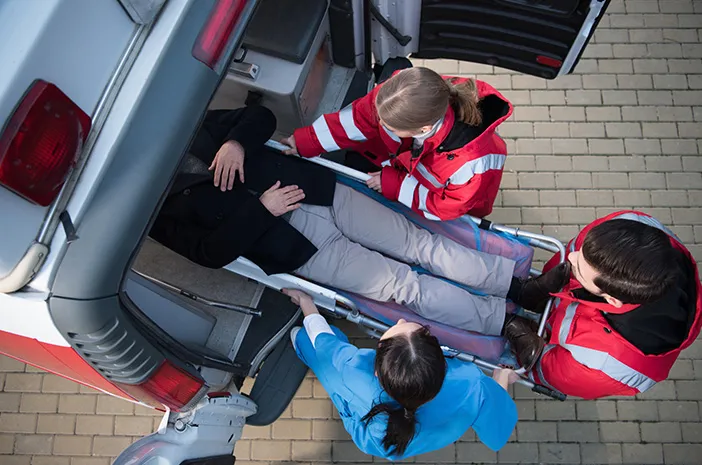
TABLE OF CONTENTS
- What Is an Ambulance?
- Main Functions of an Ambulance
- How Is a Hearse Different from an Ambulance?
- Final Thoughts
When emergencies strike, an ambulance plays a vital role in saving lives.
However, many people still confuse this emergency vehicle with a hearse, despite their vastly different functions and equipment.
To clarify the distinction, let’s take a closer look at what ambulance services are, what they do, and how they differ from hearses.
What Is an Ambulance?
An ambulance is a specially designed vehicle used for transporting patients who require urgent medical care.
Unlike regular vehicles, ambulances are equipped with essential medical tools and are staffed by trained medical personnel such as paramedics or emergency medical technicians (EMTs).
These professionals provide critical care and first aid while the patient is being transported to a healthcare facility.
One of the defining features of an ambulance is its emergency siren and flashing lights. These signals alert other road users to make way, allowing the ambulance to reach its destination as quickly and safely as possible.
Main Functions of an Ambulance
Here are the key functions that highlight the importance of ambulance services:
1. Emergency Evacuation
The primary function of an ambulance is to evacuate patients from the site of an incident to the nearest appropriate medical facility.
This includes road traffic accidents, natural disasters, or other life-threatening emergencies.
2. On-Site First Aid
Ambulances serve not just as vehicles but as mobile medical units.
Paramedics onboard are trained to deliver immediate medical attention, such as administering oxygen, dressing wounds, or stabilizing patients until they reach a hospital.
3. Transporting Critical Patients
Advanced ambulances are equipped with life-saving technologies, such as heart monitors, defibrillators (AEDs), and ventilators.
These tools allow paramedics to closely monitor and care for patients in critical condition throughout the journey.
4. Inter-Facility Patient Transfer
In addition to emergencies, ambulances are also used for transferring patients between medical facilities.
This is often necessary when a patient requires specialized treatment available only at another hospital.
How Is a Hearse Different from an Ambulance?
Despite sometimes looking similar, a hearse and an ambulance serve completely different purposes.
An ambulance is designed to provide urgent medical care and fast transportation for people who are still alive and in need of immediate treatment.
It contains medical equipment and is staffed by trained professionals who can perform life-saving procedures such as CPR.
In contrast, a hearse is used to transport deceased individuals, usually from hospitals to funeral homes, cemeteries, or crematoriums.
Hearses are fitted with specific systems, such as refrigeration units or temperature control, to preserve the body during transport.
In short, while an ambulance is focused on preserving life, a hearse is dedicated to honoring the final journey of the deceased.
Final Thoughts
Understanding the differences between an ambulance and a hearse helps avoid confusion during critical situations.
Ambulance services are a cornerstone of emergency healthcare, equipped to save lives in real-time, while hearses serve a respectful and ceremonial role.
If you ever find yourself in a medical emergency or need quick access to healthcare advice, don’t hesitate to contact our English-speaking doctor directly from your smartphone using the Halodoc app at any time. Doctors are available 24 hours to answer your questions.
You can also purchase 100% original and trusted health products from the Halodoc Health Store. No need to leave home, delivery in just 1 hour!
So, what are you waiting for? Download the Halodoc app on Play Store or App Store today!
References:
GhanaWeb. Accessed in 2025. The ambulance versus the hearse.
WebMD. Accessed in 2025. What Is a Paramedic?.
NHS UK. Accessed in 2025. Roles in the ambulance service.
Berlangganan Artikel Halodoc
Topik Terkini