Are Nosebleeds a Sign of Dengue Fever? Homecare Tips
Are Nosebleeds a Sign of Dengue Fever? Know the Signs


Nosebleeds can be an alarming symptom, and in regions where mosquito-borne illnesses are prevalent, they are often associated with dengue fever. Understanding whether a nosebleed indicates a standard health issue or a more severe viral infection is crucial for timely medical intervention. This article explores the relationship between epistaxis and dengue, highlighting when it becomes a cause for concern.
Understanding the Link Between Nosebleeds and Dengue
Nosebleeds are recognized clinical signs of dengue fever, particularly as the infection moves past the initial stage. This symptom occurs because the virus can affect the body ability to form clots, leading to mucosal bleeding. While not every patient experiences this, its presence often marks the transition toward more severe manifestations of the disease.
In many cases, a nosebleed, or epistaxis, occurs during the febrile phase or at the beginning of the critical phase. This happens when the viral load impacts the vascular system, making capillaries more fragile. Patients residing in high-risk areas should treat any unusual bleeding as a significant diagnostic indicator during a fever.
Medical professionals categorize nosebleeds as a hemorrhagic manifestation. When paired with a high fever that lasts two to seven days, the likelihood of a dengue infection increases. It is essential to monitor the frequency and volume of the bleeding to assess the severity of the condition.
According to clinical research, bleeding symptoms like nosebleeds or bleeding gums are more common in Dengue Hemorrhagic Fever (DHF) than in the classic form. Early detection through blood tests is necessary to confirm the diagnosis and prevent the progression to shock syndrome.
Common Symptoms of Dengue Fever
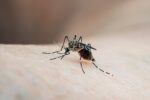
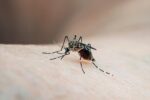
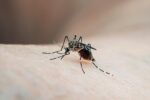
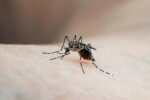
Dengue fever typically presents with a sudden onset of high fever accompanied by a variety of systemic symptoms. Recognizing these signs early is vital for effective homecare management and determining when professional medical help is required. Symptoms usually appear four to ten days after a bite from an infected Aedes mosquito.
The clinical presentation can range from mild to severe. Many individuals experience intense headaches, particularly behind the eyes, and severe muscle and joint pain. This pain is often so significant that the disease is colloquially known as breakbone fever due to the discomfort it causes.
- Sudden high fever reaching 40 degrees Celsius.
- Severe pain behind the eyes (retro-orbital pain).
- Nausea, vomiting, and loss of appetite.
- Skin rash that may appear two to five days after the onset of fever.
- Generalized fatigue and weakness.
It is important to note that the disappearance of fever does not always mean recovery. The period immediately following the drop in temperature is the critical phase. During this time, patients must be watched closely for warning signs such as persistent vomiting, abdominal pain, or rapid breathing.
Why Dengue Causes Bleeding Tendencies
The primary reason for bleeding in dengue fever is thrombocytopenia, which refers to an abnormally low level of platelets. Platelets are the blood cells responsible for clotting and stopping leaks from damaged blood vessels. The dengue virus can suppress bone marrow production and cause the immune system to destroy existing platelets.
In addition to low platelet counts, the virus can cause vascular leakage. This means the walls of the small blood vessels become more permeable, allowing fluids and blood components to escape. This combination of fragile vessels and low clotting factors leads to nosebleeds, bruising, and other bleeding issues.
Medical experts state that the drop in platelet count usually coincides with the critical phase of the illness. Constant monitoring of blood work is the standard procedure to ensure the patient remains stable. Severe internal bleeding can occur if the platelet count reaches dangerously low levels without intervention.
Managing Dengue Fever Symptoms at Home
Homecare for dengue focuses on alleviating symptoms and preventing dehydration while the body fights the virus. Since there is no specific antiviral treatment for the infection, supportive care is the cornerstone of management. Maintaining a high intake of fluids is the most critical aspect of caring for a patient at home.
Patients should consume plenty of water, oral rehydration salts, and natural fruit juices to maintain electrolyte balance. Bed rest is mandatory to allow the body to recover and to avoid physical strain that could worsen fatigue. Monitoring the frequency of urination is a helpful way to gauge hydration status.
- Use paracetamol to manage fever and pain rather than aspirin or ibuprofen.
- Apply cool compresses to the forehead to help reduce high temperatures.
- Ensure the patient stays in a mosquito-free environment to prevent further transmission.
- Maintain a diet of soft, easy-to-digest foods to prevent nausea.
Avoid using non-steroidal anti-inflammatory drugs (NSAIDs) like ibuprofen or aspirin, as these can increase the risk of bleeding. If a nosebleed occurs, the patient should sit upright and lean slightly forward while pinching the soft part of the nose. If bleeding does not stop within 15 minutes, immediate medical attention is required.
Preventing Dengue with Vaccination
Prevention remains the most effective strategy against the spread of mosquito-borne diseases. While environmental control and mosquito nets are helpful, medical advancements have introduced more proactive measures. Vaccination has become a primary tool in reducing the severity and incidence of the virus in endemic regions.
To help prevent dengue fever, consider getting the Qdenga vaccine, which is currently available in Indonesia. You can get the vaccine through Halodoc Homecare, making it convenient to protect the family without visiting a clinic. This vaccine is designed to provide protection against multiple strains of the virus.
The Qdenga vaccine is suitable for individuals across a wide age range, regardless of whether they have had a previous infection. Implementing a vaccination plan alongside traditional mosquito control methods significantly lowers the risk of developing severe complications like hemorrhagic fever. Consistency in community-wide prevention is key to managing the disease effectively.
Conclusion
Nosebleeds are a significant warning sign of dengue fever that should never be ignored, especially when accompanied by high fever and body aches. Proper management involves monitoring platelet levels, maintaining hydration, and utilizing professional medical services for testing. Consultation with a doctor at Halodoc is recommended to ensure an accurate diagnosis and a safe recovery plan through appropriate medical guidance.
Berlangganan Artikel Halodoc
Topik Terkini
Artikel Terkait