Bali Best Time To Visit: Your Ultimate Guide
The ideal time to visit Bali is during the dry season from April to October to enjoy outdoor activities safely.


Optimal Months to Visit Bali
The best time to visit Bali is during the dry season, which typically occurs from April to October. This period provides the most favorable weather conditions for outdoor exploration, beach visits, and cultural tours. Choosing the right month ensures a balance between pleasant temperatures and manageable humidity levels for all travelers.
Weather patterns in Bali are divided into two distinct seasons: the dry season and the rainy season. While the dry season is ideal for sun-seeking activities, the wet season offers lush landscapes and fewer crowds. Understanding these cycles helps in planning activities that align with specific climate conditions across the island.
Bali Seasonal Weather Patterns
Bali features a tropical monsoon climate characterized by high temperatures and significant humidity throughout the year. The dry season, from April to October, sees lower rainfall and consistent sunshine across the coastal regions. Conversely, the rainy season from November to March brings frequent tropical downpours and increased atmospheric moisture.
During the dry months, humidity levels are generally more comfortable for physical exertion. The wet season often involves short but heavy rain showers, usually occurring in the late afternoon or evening. Travelers should be aware that temperatures remain warm even during periods of heavy rainfall.
- Dry Season: April to October, characterized by clear skies and low humidity.
- Rainy Season: November to March, featuring high rainfall and higher humidity.
- Shoulder Season: April, May, September, and October, offering a mix of good weather and fewer tourists.
Best Time for Outdoor Activities
For surfing, diving, and hiking, the dry season between May and September is considered the most suitable period. Clear waters provide better visibility for underwater exploration, while dry trails reduce the risk of slips during volcano treks. These months also offer the most consistent swell conditions for surfing enthusiasts on the western coast.
Outdoor festivals and cultural ceremonies are more frequent during the dry months due to predictable weather. Hiking Mount Batur or Mount Agung is significantly safer when the paths are not slippery from tropical rain. Low humidity during this time also makes long walks through Ubud rice terraces more enjoyable for visitors.
It is important to maintain hydration regardless of the season chosen for visit. Intense sun exposure during the dry season requires consistent use of sunscreen and protective clothing. Planning activities for early morning or late afternoon can help in avoiding peak thermal stress during the midday heat.
Health Risks During Rainy Season
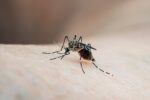
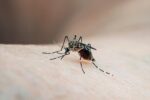
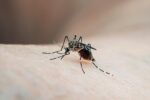
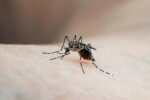
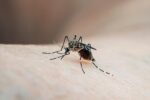
The rainy season in Bali increases the prevalence of mosquito-borne diseases due to the abundance of stagnant water. Increased rainfall creates ideal breeding environments for mosquitoes, which can lead to a rise in local infections. Travelers visiting during these months must take extra precautions to protect their physical well-being.
A significant health concern during high rainfall periods is dengue fever, which is transmitted through mosquito bites. Symptoms often include high fever, severe headache, and joint pain, requiring immediate medical attention. Maintaining a clean environment and using mosquito nets can help reduce the likelihood of exposure to these vectors.
- Avoid areas with stagnant water where mosquitoes tend to congregate.
- Wear long-sleeved clothing and trousers during dawn and dusk.
- Apply insect repellent containing DEET or picaridin regularly.
- Seek medical advice if sudden high fever occurs during or after the trip.
Health Preparation and Prevention
Medical preparation is a vital step before traveling to tropical destinations like Bali to ensure a safe journey. Assessing vaccination status and stocking up on necessary medications can prevent common travel-related illnesses. Prevention is the most effective way to manage health risks associated with different seasonal changes on the island.
To help prevent dengue fever, consider getting the dengue vaccine Qdenga, which is currently available through Halodoc Homecare. This vaccination provides an additional layer of protection, especially for those planning to stay in Bali during the rainy season. You can get the vaccine through Halodoc Homecare for a more convenient preparation process.
In addition to vaccinations, travelers should carry a basic first-aid kit and digestive health supplements. Staying informed about the nearest medical facilities at the travel destination is also recommended. Early prevention through professional medical services ensures that health concerns do not disrupt the holiday experience.
Conclusion
The ideal time to visit Bali is during the dry season from April to October to enjoy outdoor activities safely. Travelers should remain vigilant about health risks like mosquito-borne illnesses, especially during the wetter months of the year. Consult with a doctor at Halodoc to receive the necessary vaccinations and medical advice before your departure.
Berlangganan Artikel Halodoc
Topik Terkini
Artikel Terkait