Beat the Bite: How to Prevent Mosquito Bites Now
Simple Ways on How to Prevent Mosquito Bites at Home

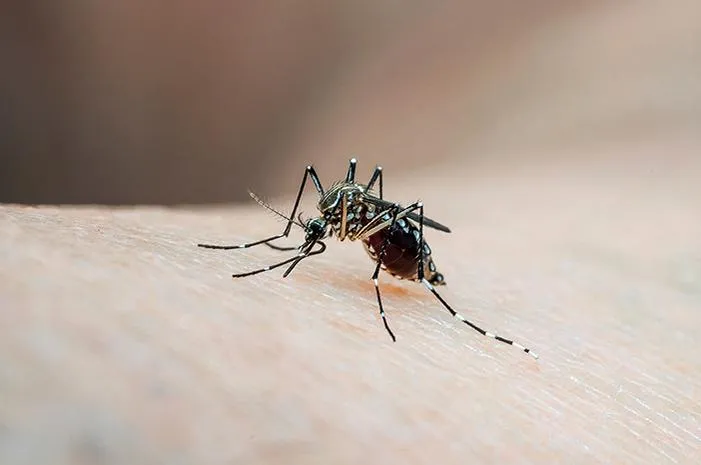
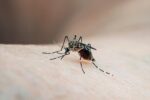
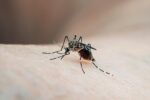
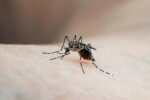
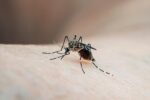
Mosquito bites are a significant public health concern because these insects act as vectors for various pathogens. Preventing bites is the most effective way to avoid diseases like malaria, Zika virus, and dengue fever. Implementing a multi-layered approach involving chemical repellents, physical barriers, and environmental control ensures maximum protection against these pests.
Overview of Mosquito-Borne Health Risks
Mosquitoes are responsible for more human deaths annually than any other animal due to the diseases they transmit. When a female mosquito bites, it injects saliva containing anticoagulants and potentially harmful viruses or parasites. This process can lead to systemic infections that vary in severity from mild fever to life-threatening complications.
Common symptoms of mosquito-borne illnesses include high fever, severe headache, joint pain, and skin rashes. In some cases, neurological symptoms or hemorrhagic manifestations can occur, requiring immediate medical intervention. Understanding the risks associated with different mosquito species helps in choosing the right prevention strategy for specific geographic locations.
Primary Methods on How to Prevent Mosquito Bites
Effective methods on how to prevent mosquito bites include using EPA-registered insect repellents, wearing protective long-sleeved clothing, and implementing physical barriers like window screens. Additionally, eliminating standing water around residential areas prevents mosquito larvae from developing. These combined efforts significantly reduce the risk of contracting mosquito-borne illnesses such as malaria or dengue.
Consistency is key when applying these protective measures, especially during peak mosquito activity hours. Most mosquito species are most active during dawn and dusk, although some, like the Aedes aegypti, bite primarily during the day. Layering different types of protection provides the most robust defense against varied mosquito behaviors.
Chemical Repellents and Personal Protection
Applying insect repellents to exposed skin is a proven way to deter mosquitoes from landing and biting. The Environmental Protection Agency (EPA) recommends products containing specific active ingredients for safety and effectiveness. Proper application involves following label instructions and reapplying the product as directed, especially after sweating or swimming.
- DEET (N,N-diethyl-meta-toluamide) in concentrations of twenty to thirty percent.
- Picaridin (KBR 3023), which is often odorless and less greasy than DEET.
- Oil of Lemon Eucalyptus (OLE) or Para-menthane-diol (PMD) for a plant-based alternative.
- IR3535, a synthetic amino acid that provides long-lasting protection.
According to the Centers for Disease Control and Prevention (CDC), these ingredients are safe for use on adults and children when applied correctly. It is important to avoid applying repellent to hands, eyes, or mouth, and to use only enough to cover exposed skin or clothing.
Physical Barriers and Clothing Choices
Creating a physical boundary between the skin and mosquitoes significantly lowers the chances of being bitten. Loose-fitting, long-sleeved shirts and long pants are recommended because mosquitoes can sometimes bite through tight fabric. Light-colored clothing is also preferable as mosquitoes are often attracted to darker colors that absorb heat.
Treating clothing with permethrin, an insecticide that kills or repels mosquitoes on contact, adds an extra layer of safety. Permethrin-treated gear remains effective through multiple washes and is particularly useful for hikers or individuals working outdoors. Ensuring that living spaces are equipped with intact window and door screens further prevents mosquitoes from entering indoor environments.
Environmental Control and Breeding Site Elimination
Reducing the local mosquito population is an essential component of long-term prevention. Mosquitoes require stagnant water to lay their eggs and for the larvae to develop into adults. Regularly inspecting the surrounding property for any objects that collect water can halt the mosquito life cycle before it begins.
Common breeding sites include flowerpot saucers, birdbaths, clogged rain gutters, and discarded tires. Emptying, scrubbing, or covering these containers at least once a week is a vital practice. For larger bodies of water that cannot be drained, such as decorative ponds, using biological larvicides can effectively manage the population without harming other wildlife.
Travel Precautions for Mosquito-Endemic Regions
Travelers visiting tropical or subtropical regions must be particularly vigilant about mosquito protection. Researching the specific health risks of a destination allows for better preparation, including the procurement of necessary medications or vaccinations. In regions where dengue fever is prevalent, travelers should take extra precautions.
To help prevent dengue fever, consider getting the Qdenga dengue vaccine, which is currently available in Indonesia. This vaccine provides significant protection against all four serotypes of the virus. Individuals can get the vaccine through Halodoc Homecare to ensure safety before or during their stay in endemic areas.
Conclusion
Preventing mosquito bites requires a combination of personal vigilance, chemical protection, and environmental management to minimize the risk of serious illness. Utilizing EPA-approved repellents and eliminating breeding sites are fundamental steps for maintaining health in mosquito-prone areas. For those in high-risk zones, medical interventions such as vaccinations provide an additional layer of critical defense. Konsultasi dengan dokter di Halodoc untuk mendapatkan diagnosis yang tepat.
Berlangganan Artikel Halodoc
Topik Terkini
Artikel Terkait