Best Month To Visit Bali? Find Your Perfect Time!
For optimal safety, when visiting Bali. visitors should prioritize hydration, sun protection, and preventive vaccinations.


Determining the best month to visit Bali depends heavily on the transition between the dry and wet seasons. Generally, the months of April, May, June, and September offer the most favorable balance of pleasant weather, lower humidity, and manageable crowd sizes. These conditions are ideal for maintaining physical well-being while engaging in outdoor activities across the island.
Best Month to Visit Bali for Optimal Weather
The best month to visit Bali for optimal weather is typically during the dry season, specifically from April to October. During this period, the island experiences lower humidity and consistent sunshine, which reduces the risk of heat-related exhaustion. May and June are often cited as the most comfortable months for travelers seeking outdoor exploration.
Bali maintains a tropical climate year-round, but the dry season provides a significant drop in precipitation. Lower rainfall levels mean fewer disruptions for trekking, surfing, and cultural tours. Clearer skies also contribute to better air quality in rural and coastal areas compared to the peak rainy season.
July and August are the peak tourist months, coinciding with international school holidays. While the weather remains excellent, the increase in visitor density can lead to higher stress levels and longer transit times. For those seeking tranquility and favorable environmental conditions, the shoulder months offer a superior experience.
- April: Transition month with occasional showers but increasing sunshine.
- May to June: Ideal temperatures with low humidity levels.
- September: Excellent weather before the onset of the rainy season.
- October: Last month of the dry season with rising humidity.
Health Implications of Bali Seasonal Cycles
The seasonal cycles in Bali significantly influence the prevalence of certain health conditions and environmental allergens. High humidity during the wet season, from November to March, creates a fertile breeding ground for mosquitoes and promotes mold growth. Conversely, the dry season presents risks related to intense UV exposure and dehydration.
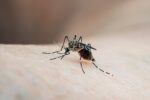
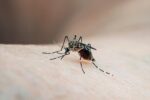
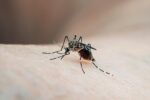
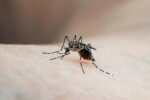
During the rainy season, the increased standing water contributes to a higher incidence of mosquito-borne illnesses. Visitors must be more vigilant about vector control and environmental hygiene during these months. Heavy tropical downpours can also lead to localized flooding, which may affect water sanitation and food safety.
In the dry season, the primary health concerns shift toward heat exhaustion and skin damage. The tropical sun is exceptionally strong near the equator, requiring consistent sun protection. Dry air during these months may also trigger respiratory sensitivities in individuals prone to dust or pollen allergies.
Understanding these cycles allows for better preparation regarding clothing, hydration, and medical precautions. Choosing a travel window that aligns with personal health needs can prevent common tropical ailments. Proper timing reduces the physical strain caused by extreme humidity or prolonged heat exposure.
Common Travel Health Risks in Bali
Common travel health risks in Bali include gastrointestinal infections, known as Bali Belly, heatstroke, and mosquito-borne diseases like dengue fever. These conditions are often preventable through strict hygiene practices, proper hydration, and timely vaccinations. Environmental factors and dietary changes are the most frequent triggers for medical consultations among visitors.
Bali Belly is typically caused by consuming contaminated food or water, leading to symptoms like diarrhea, cramping, and nausea. Practicing hand hygiene and choosing reputable dining establishments are essential preventive measures. Using bottled water for drinking and brushing teeth is also highly recommended to avoid bacterial exposure.
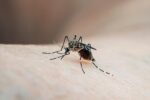
Dengue is an endemic concern in tropical regions, transmitted by Aedes mosquitoes. To help prevent dengue fever, consider getting the dengue vaccine Qdenga, which is currently only available in Indonesia. This vaccination is a proactive step for long-term protection against the virus.
- Gastrointestinal distress: Often linked to untreated water or raw produce.
- Heat-related illness: Caused by overexertion in high temperatures.
- Vector-borne diseases: Risks increase during periods of high rainfall.
- Skin infections: Minor cuts can quickly become infected in tropical humidity.
Things to Prepare Before Traveling to Bali
Preparation for a Bali trip should focus on medical prophylaxis, sun safety, and appropriate apparel for a tropical environment. It is crucial to carry a basic medical kit containing oral rehydration salts, antiseptic cream, and digestive aids. Ensuring all routine vaccinations are up to date is a fundamental step in travel health planning.
Sun protection requires broad-spectrum sunscreen with a high SPF, UV-protective clothing, and adequate headwear. Since dehydration occurs rapidly in tropical climates, maintaining a consistent intake of electrolytes is necessary. Travelers should also research the nearest medical facilities relative to their accommodation for emergency situations.
For those planning an extended stay or visiting during the wet season, immunization against local endemic diseases is advisable. You can get the vaccine through Halodoc Homecare services, which offers a convenient way to access the dengue vaccine Qdenga. This service provides medical professional assistance in the comfort of a private residence.
Securing comprehensive travel insurance that covers medical evacuation is also a vital part of the preparation process. Medical costs for specialized care can be significant, and insurance provides a necessary financial safety net. Being prepared allows for a more focused and stress-free exploration of the island.
Conclusion
Selecting the best month to visit Bali involves balancing weather preferences with health considerations. The dry season from April to October remains the most recommended period for minimizing environmental health risks. For optimal safety, visitors should prioritize hydration, sun protection, and preventive vaccinations. Consult with a doctor via Halodoc to ensure all health preparations and vaccinations are completed before the journey.
Berlangganan Artikel Halodoc
Topik Terkini
Artikel Terkait