Best Time of Year to Visit Bali for Great Weather
The best time of year to visit Bali for ideal weather and lower health risks is during the dry season from April to October.


Determining the best time of year to visit Bali involves evaluating weather patterns, humidity levels, and health-related risks associated with tropical climates. Generally, the dry season between April and October offers the most favorable conditions for travelers. During these months, lower rainfall and moderate humidity create a safer environment for outdoor activities and reduce the prevalence of certain infectious diseases.
Optimal Months for Visiting Bali
The best time of year to visit Bali is during the dry season, which typically runs from April to October. These months are characterized by consistent sunshine and significantly less rainfall compared to the rest of the year. Travelers often find that July and August provide the most stable weather, although these are also the peak months for tourism.
Choosing this period minimizes disruptions to travel plans caused by heavy downpours. From a physiological perspective, the dry season is also more comfortable because the air contains less moisture. High humidity can often interfere with the body’s ability to cool itself through sweat, potentially leading to heat-related discomfort.
Furthermore, the dry months offer clearer skies which are ideal for water sports and mountain trekking. Many visitors prioritize the months of May, June, and September to avoid the largest crowds while still enjoying excellent weather. Selecting the right window ensures that physical exertion during tours does not lead to excessive fatigue or dehydration.
Characteristics of the Dry Season
The dry season in Bali is marked by southeastern trade winds that bring cooler and drier air from the Australian continent. Temperatures during this period remain relatively constant, averaging between 26 to 29 degrees Celsius. This stability is beneficial for maintaining physical stamina during long days of exploration and sightseeing.
Lower humidity levels during these months play a crucial role in preventing skin irritations and fungal infections. In tropical environments, excessive moisture on the skin can lead to conditions such as miliaria, commonly known as heat rash. The drier air helps keep the skin surface dry and reduces the likelihood of such dermatological issues.
Key features of Bali’s dry season include:
- Average daily sunshine of approximately eight to ten hours.
- Cooler evening temperatures, particularly in coastal and mountainous areas.
- Minimal mosquito activity compared to the stagnant water conditions of the monsoon.
- Optimal conditions for hiking Mount Batur or Mount Agung without slippery trails.
Health Risks During the Wet Season
While visiting Bali is possible year-round, the wet season from November to March introduces specific health challenges. Heavy tropical rains lead to increased standing water, which serves as a breeding ground for mosquitoes. This environmental change significantly elevates the risk of mosquito-borne viral infections among residents and tourists alike.
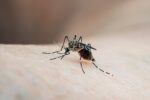
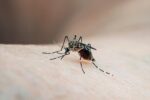
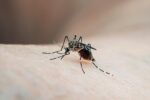
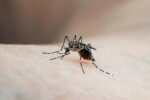
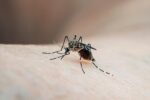
One of the primary concerns in tropical climates like Indonesia is dengue fever, a viral infection transmitted through the bite of infected Aedes aegypti mosquitoes. Symptoms often include high fever, severe headache, and joint pain. The incidence of this illness typically peaks during the transition between seasons and throughout the rainy months.
In addition to mosquito-borne risks, the high humidity of the wet season can exacerbate respiratory conditions in sensitive individuals. Mold growth is more common in damp environments, which can trigger allergies or asthma. Travelers with pre-existing health conditions should take extra precautions when visiting during these months to maintain their well-being.
Travel Health Preparations and Vaccinations
Preparing for a trip to Bali involves more than just packing appropriate clothing; it requires proactive health management. Regardless of the season, maintaining hydration and using high-SPF sunscreen is essential to protect against the strong equatorial sun. It is also advisable to carry a basic medical kit containing electrolytes and antiseptic solutions.
To help prevent dengue fever, consider getting the dengue vaccine Qdenga, which is currently available for individuals seeking enhanced protection. This vaccination is particularly recommended for those planning extended stays or visiting during the wetter months. You can get the vaccine through Halodoc Homecare services for convenience.
General health recommendations for Bali travelers include:
- Drinking only bottled or treated water to prevent gastrointestinal infections.
- Applying insect repellent containing DEET or Picaridin, especially during dawn and dusk.
- Wearing light-colored, long-sleeved clothing in areas with high mosquito activity.
- Ensuring all routine vaccinations are up to date before departure.
Conclusion
The best time of year to visit Bali for ideal weather and lower health risks is during the dry season from April to October. Planning a trip during this period ensures a more comfortable experience with less exposure to high humidity and mosquito-borne diseases. For those traveling during any season, proactive measures such as vaccination and proper hydration remain vital. Consult with a doctor on Halodoc to discuss travel vaccinations and health kits before your departure.
Berlangganan Artikel Halodoc
Topik Terkini
Artikel Terkait