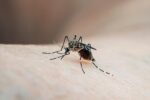
Dengue Fever is Caused By Mosquito Bites: Homecare
How Dengue Fever Is Caused By Infected Mosquito Bites


Dengue fever is a significant global health concern transmitted through the bite of infected Aedes species mosquitoes. Most cases are mild, but the infection can progress to severe complications if not monitored correctly. Understanding how dengue fever is caused by viral transmission is essential for effective prevention and timely medical intervention.
What is Dengue Fever?
Dengue fever is an acute febrile illness caused by the dengue virus (DENV), which belongs to the Flaviviridae family. It is predominantly found in tropical and subtropical regions where environmental conditions favor the survival of mosquito vectors. The disease can range from a self-limiting fever to life-threatening conditions characterized by plasma leakage and organ impairment.
There are four distinct serotypes of the virus, known as DENV-1, DENV-2, DENV-3, and DENV-4. Recovery from infection by one serotype provides lifelong immunity against that specific type. However, subsequent infections with different serotypes significantly increase the risk of developing severe dengue, also known as Dengue Hemorrhagic Fever.
Global health organizations report millions of cases annually, making it one of the most rapidly spreading mosquito-borne viral diseases. Urbanization, climate change, and international travel contribute to the expanding geographic reach of the virus. Early identification of the condition remains the most effective way to reduce mortality rates.
Understanding Why Dengue Fever is Caused by Viral Transmission
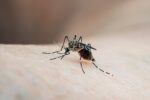
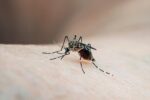
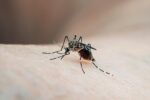
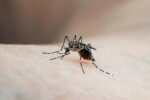
Dengue fever is caused by any one of four closely related dengue viruses which are transmitted to humans through the bite of an infected Aedes aegypti or Aedes albopictus mosquito. When a mosquito bites an infected person, the virus enters the insect, which then transmits the pathogen to the next person it bites.
The transmission cycle begins when a female mosquito feeds on the blood of a person during the viraemic phase, which usually lasts four to five days. After an incubation period within the mosquito’s midgut, the virus travels to its salivary glands. Once infected, the mosquito remains capable of transmitting the virus for the remainder of its lifespan, which is typically several weeks.
Aedes aegypti is the primary vector and is highly adapted to human environments, often breeding in stagnant water found in domestic containers. These mosquitoes are most active during the early morning and late afternoon. Unlike other species, they often bite multiple people during a single feeding period, leading to rapid clusters of infection within households.
- Direct person-to-person transmission does not occur.
- Vertical transmission from a pregnant woman to her fetus is possible but rare.
- Blood transfusions or organ transplants are extremely rare routes of infection.
- The virus requires a biological vector to complete its lifecycle between hosts.
Common Symptoms of Dengue Infection
Symptoms of dengue fever typically manifest between four to ten days after the initial mosquito bite. The most characteristic sign is a sudden high fever, often reaching 40 degrees Celsius, accompanied by severe headache and pain behind the eyes. Many patients describe the sensation as breakbone fever due to the intense muscle and joint aches.
A skin rash often appears two to five days after the fever begins, presenting as small red spots or a generalized redness. Nausea, vomiting, and swollen glands are also frequently reported during the febrile phase. While most people recover within a week, it is critical to monitor for warning signs that indicate a progression to severe disease.
Severe dengue is a medical emergency that usually occurs when the fever begins to subside. Signs include persistent vomiting, rapid breathing, bleeding gums, and severe abdominal pain. At this stage, plasma leakage can lead to circulatory collapse and internal bleeding, requiring immediate hospitalization for stabilization.
Treatment and Clinical Management
There is no specific antiviral medication available to cure the infection, so medical management focuses entirely on supportive care. The primary goal is to manage symptoms and prevent dehydration caused by high fever and vomiting. Patients are encouraged to rest extensively and consume large amounts of fluids, such as water, oral rehydration salts, or fruit juices.
Pain and fever should be managed using paracetamol, as it is the safest option for dengue patients. It is vital to avoid non-steroidal anti-inflammatory drugs (NSAIDs) like ibuprofen or aspirin. These medications can exacerbate bleeding tendencies by affecting platelet function and irritating the stomach lining, which is particularly dangerous during a dengue fever infection.
Medical professionals often recommend regular blood tests to monitor platelet counts and hematocrit levels. If a patient shows signs of dehydration or severe illness, intravenous fluid replacement in a clinical setting becomes necessary. Close observation during the critical phase, which occurs 24 to 48 hours after the fever drops, is essential for survival in severe cases.
Prevention and Long-Term Protection
Prevention involves eliminating mosquito breeding sites, using insect repellents, and seeking immunization to reduce the risk of severe illness. Integrated vector management remains the primary strategy for community protection. For those seeking enhanced protection, medical services like vaccinations are now accessible through specialized homecare programs.
To help prevent dengue fever, consider getting the Qdenga dengue vaccine, which is currently available only in Indonesia. You can get the vaccine through Halodoc Homecare, which offers a safe and professional medical environment for your immunization needs. This vaccine is designed to provide broad protection against all four serotypes of the virus.
Environmental control is equally important to reduce the mosquito population around living areas. Emptying standing water from flower pots, buckets, and old tires removes potential breeding grounds. Using window screens, wearing long-sleeved clothing, and applying repellents containing DEET or Picaridin can significantly lower the chances of being bitten.
- Cover all water storage containers tightly.
- Dispose of solid waste properly to prevent water accumulation.
- Use mosquito nets treated with insecticide while sleeping during the day.
- Participate in community fogging programs when organized by health authorities.
Conclusion
Dengue fever remains a serious viral threat that requires vigilant prevention and prompt symptom management. Since the infection is spread through mosquito vectors, focus on environmental hygiene and personal protection is essential. For long-term immunity, consult with medical professionals about available vaccinations. Consultation with a doctor at Halodoc can help clarify the appropriate diagnostic steps and care routines needed for recovery.
Berlangganan Artikel Halodoc
Topik Terkini
Artikel Terkait