Understanding the Different Types of Dengue Fever


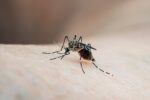
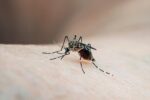
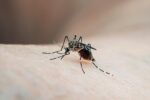
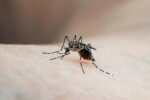
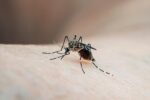
Dengue fever is a viral infection transmitted by mosquitoes, primarily the Aedes aegypti species. This condition presents in various forms ranging from mild flu-like symptoms to severe, life-threatening complications. Understanding the different types of dengue fever is essential for timely intervention and effective home care management.
Understanding the Different Types of Dengue Fever
Dengue infection is classified into three main types based on clinical severity: classic dengue fever, dengue hemorrhagic fever, and dengue shock syndrome. Each type requires specific medical attention to prevent further health deterioration. Identifying these variations helps medical professionals determine the necessary level of care for the patient.
Classic dengue fever is the most common form, often characterized by high fever and intense muscle pain. While debilitating, it is generally non-fatal if managed correctly with rest and hydration. Most patients recover fully within a week without long-term complications.
Dengue Hemorrhagic Fever (DHF) is a more severe progression of the virus. It involves damage to lymphatic and blood vessels, leading to bleeding from the nose or gums and internal bruising. Patients with DHF require close monitoring of their blood platelet counts to prevent circulatory failure.
Dengue Shock Syndrome (DSS) is the most critical stage and can be fatal if not treated immediately. It occurs when blood pressure drops to dangerously low levels due to massive fluid loss from blood vessels. This stage often leads to organ failure and requires intensive hospital care.
Common Symptoms Across Dengue Classifications
Symptoms of dengue fever typically appear four to ten days after the initial mosquito bite. The primary indicator is a high fever reaching up to 40 degrees Celsius, accompanied by severe headaches. Recognizing secondary symptoms is vital for distinguishing between the different types of the infection.
Typical clinical manifestations include:
- Pain behind the eyes (retro-orbital pain).
- Severe joint and muscle aches, often called bone-break fever.
- Nausea, vomiting, and loss of appetite.
- Skin rashes that usually appear two to five days after the fever starts.
In cases of dengue hemorrhagic fever, patients may experience persistent vomiting and abdominal pain. Small red spots on the skin or unusual bleeding indicate that the condition is progressing toward a more severe type. Rapid breathing and fatigue are also warning signs that necessitate immediate medical evaluation.
Causes and Viral Transmission Mechanisms
The dengue virus belongs to the Flaviviridae family and consists of four distinct serotypes: DENV-1, DENV-2, DENV-3, and DENV-4. Infection with one serotype provides lifelong immunity to that specific strain but only temporary immunity to others. Subsequent infections with different serotypes significantly increase the risk of developing severe dengue fever.
Transmission occurs through the bite of an infected female Aedes aegypti or Aedes albopictus mosquito. These mosquitoes typically bite during the day, particularly in the early morning and late afternoon. The virus cannot be spread directly from person to person through casual contact.
Environmental factors such as stagnant water provide breeding grounds for these mosquitoes. High population density and tropical climates further facilitate the rapid spread of the virus. Maintaining a clean environment is a fundamental step in reducing the local mosquito population and transmission rates.
Medical Treatment and Supportive Home Care
There is no specific antiviral medication to cure a dengue infection, so treatment focuses on relieving symptoms and maintaining fluid balance. Mild cases can often be managed through home care under the guidance of a physician. Proper monitoring ensures that any signs of progression to severe types are caught early.
Home care management includes:
- Increasing fluid intake with water, oral rehydration salts, or fruit juices to prevent dehydration.
- Ensuring complete bed rest to allow the body’s immune system to fight the virus.
- Using paracetamol to manage fever and pain instead of aspirin or ibuprofen.
- Monitoring the frequency of urination and the presence of any bleeding.
Avoiding non-steroidal anti-inflammatory drugs (NSAIDs) like ibuprofen is critical because they can increase the risk of bleeding. If a patient cannot keep fluids down due to vomiting, hospitalization for intravenous fluid therapy becomes necessary. Constant communication with a healthcare provider is essential during the recovery period.
Prevention Strategies and Vaccination
Preventing mosquito bites is the primary method of defense against all types of dengue. Using mosquito nets, wearing long-sleeved clothing, and applying insect repellent are effective personal protective measures. Community-wide efforts to eliminate standing water in containers help disrupt the mosquito life cycle.
To help prevent dengue fever, consider getting the Qdenga dengue vaccine, which is currently available as a preventive measure. You can get the vaccine through Halodoc Homecare to ensure protection for all family members. This vaccine is designed to protect against all four serotypes of the virus.
Routine environmental cleaning, known as the 3M Plus program, remains a cornerstone of public health safety. This involves draining water storage, covering water containers, and recycling items that can collect rainwater. Combining environmental control with vaccination provides a comprehensive shield against the disease.
Conclusion
Dengue fever presents in various forms that require different levels of medical intervention and supportive care. Recognizing early warning signs and maintaining proper hydration are key steps in managing the infection at home. For maximum protection and professional guidance, consult with a doctor at Halodoc to receive an accurate diagnosis and treatment plan.
Berlangganan Artikel Halodoc
Topik Terkini
Artikel Terkait