Easy Guide to 4 Stages of Dengue Fever at Home
Recognize the 4 stages of dengue fever for homecare


Dengue fever progresses through specific physiological changes that require distinct care at each interval. The 4 stages of dengue fever include the incubation, febrile, critical, and recovery phases. Understanding these stages helps in identifying when a patient needs urgent clinical attention or home-based supportive therapy.
Definition of Dengue Fever
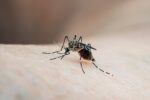
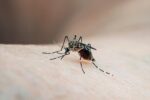
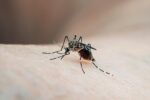
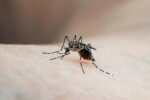
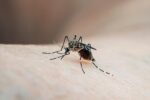
Dengue fever is a viral infection transmitted to humans through the bite of infected Aedes aegypti or Aedes albopictus mosquitoes. The disease is prevalent in tropical and subtropical climates worldwide. While many cases are mild, the infection can develop into severe complications, such as dengue hemorrhagic fever or dengue shock syndrome.
The virus responsible for this condition has four distinct serotypes, meaning a person can be infected multiple times in their life. Each infection increases the risk of developing more severe symptoms during subsequent exposures. Early detection and monitoring of the 4 stages of dengue fever are essential to prevent fatalities.
Clinical management focuses on maintaining fluid balance and monitoring blood counts, particularly platelets and hematocrit levels. Since there is no specific antiviral treatment, supportive care remains the primary approach for recovery. Homecare services can provide the necessary monitoring for stable patients under medical supervision.
The Incubation Phase
The incubation phase is the first of the 4 stages of dengue fever, occurring after a mosquito bite but before symptoms appear. This period typically lasts between 3 to 14 days, with an average of 4 to 7 days. During this time, the virus replicates within the body without causing visible illness.
Symptoms are entirely absent during this stage, making it impossible to diagnose the infection through physical examination alone. The virus spreads through the bloodstream and begins to affect the immune system. Individuals may continue their daily activities unaware that the virus is multiplying.
Understanding the incubation period is important for epidemiological tracking and travel history assessments. If a person travels to an endemic area, medical professionals use this timeframe to determine the likelihood of a dengue infection. Once the virus reaches a sufficient concentration, the patient transitions into the symptomatic phases.
The Febrile Phase
The febrile phase is characterized by the sudden onset of a high fever, often reaching 40 degrees Celsius, lasting two to seven days. This stage is frequently accompanied by generalized pain and a distinctive skin rash. It is the period where most patients first seek medical consultation due to the intensity of the symptoms.
Common clinical signs during the febrile phase include:
- Severe headache and retro-orbital pain, which is pain located behind the eyes.
- Muscle and joint aches, often referred to as breakbone fever.
- Nausea, vomiting, and a loss of appetite.
- A transient macular rash that may appear early in the illness.
Medical monitoring during this phase focuses on hydration and fever management using paracetamol. It is crucial to avoid non-steroidal anti-inflammatory drugs (NSAIDs) like ibuprofen or aspirin, as these can increase the risk of bleeding. Close observation of the hematocrit and platelet count usually begins during this stage to establish a baseline.
The Critical Phase
The critical phase typically begins around the time the fever subsides, usually between day three and day seven of the illness. This stage lasts about 24 to 48 hours and is the most dangerous part of the 4 stages of dengue fever. During this window, an increase in capillary permeability can lead to plasma leakage from the blood vessels.
Plasma leakage can result in fluid accumulation in the chest and abdominal cavities, potentially leading to respiratory distress or organ failure. If left untreated, this depletion of intravascular volume can cause circulatory collapse, known as dengue shock syndrome. Patients must be monitored for warning signs of severe progression.
Warning signs that require immediate hospital intervention include:
- Persistent vomiting and severe abdominal pain.
- Mucosal bleeding, such as bleeding gums or nosebleeds.
- Lethargy, restlessness, or sudden behavioral changes.
- A rapid drop in platelet count accompanied by a rise in hematocrit levels.
The Recovery Phase
The recovery or convalescence phase occurs after the critical phase, where the body begins to reabsorb the leaked plasma back into the bloodstream. This stage lasts approximately 48 to 72 hours and signifies the gradual return of health. The patient’s general condition improves, and the hemodynamic status stabilizes.
During recovery, the appetite returns, and gastrointestinal symptoms resolve. A classic sign of this stage is the appearance of a confluent, pruritic (itchy) rash with small circles of normal skin, often described as white isles in a sea of red. Fluid balance must be managed carefully to avoid fluid overload as the body returns to its normal state.
Laboratory results typically show a stabilization of the hematocrit and a steady increase in the white blood cell count, followed by the platelet count. While the physical symptoms improve, patients may still experience fatigue for several weeks. Rest and proper nutrition are vital during this final stage of the 4 stages of dengue fever.
Preventing Infection with Vaccination
Prevention is the most effective way to manage the risks associated with the 4 stages of dengue fever. Beyond environmental control of mosquito breeding sites, medical immunization has become a key strategy. Vaccines work by stimulating the immune system to recognize and fight the various serotypes of the virus.
To help prevent dengue fever, consider getting the Qdenga dengue vaccine, which is currently available in Indonesia. This vaccine is designed to provide protection against all four serotypes of the virus. Individuals can get the vaccine conveniently through the Halodoc Homecare service without visiting a clinic.
Vaccination is particularly recommended for those living in or traveling to high-risk areas. By reducing the severity of the illness, vaccines can prevent the transition from the febrile phase to the life-threatening critical phase. Ensuring a complete vaccination schedule provides the best long-term defense against repeated infections.
Conclusion
Managing the 4 stages of dengue fever requires vigilance, from the initial fever to the dangerous critical window. Early recognition of warning signs and maintaining proper hydration can significantly improve recovery outcomes and prevent severe complications. Consult with a doctor at Halodoc to monitor symptoms and receive professional medical guidance during the recovery process.
Berlangganan Artikel Halodoc
Topik Terkini
Artikel Terkait