Best Homecare Support for Tropical Disease Patients

Tropical diseases encompass a wide range of infectious conditions that primarily thrive in hot, humid climates. These illnesses are often transmitted through insect vectors such as mosquitoes, ticks, or flies. Effective management requires a combination of clinical intervention and structured homecare to ensure patient recovery and minimize complications.
Definition of Tropical Disease
A tropical disease is a clinical condition caused by pathogens such as bacteria, viruses, or parasites that are prevalent in tropical and subtropical regions. These areas provide the ideal environment for the vectors that carry these infections. Common examples include malaria, zika virus, and dengue fever, which significantly impact public health globally.
The term often refers to Neglected Tropical Diseases (NTDs), a group of conditions that affect over one billion people in impoverished communities. While some are viral, others are parasitic infections like helminthiasis or protozoal diseases like leishmaniasis. Modern medicine focuses on both treating the infected individual and controlling the environment to prevent further transmission.
Understanding the specific classification of a tropical disease is essential for determining the correct course of action. Some infections are self-limiting, meaning they resolve on their own with supportive care. Others require specific antimicrobial or antiparasitic medications prescribed by healthcare professionals to prevent long-term organ damage or death.
Common Symptoms of Tropical Diseases
Most tropical infections present with a sudden onset of high fever, which is the primary indicator of an underlying immune response. Patients may also experience severe fatigue, body aches, and gastrointestinal distress. Identifying these signs early is crucial for initiating homecare or seeking emergency medical assistance if symptoms worsen.
Symptoms are often categorized based on the biological system they affect:
- Febrile symptoms: Persistent high fever, chills, and excessive sweating.
- Dermatological symptoms: Skin rashes, lesions, or unexplained itching.
- Gastrointestinal symptoms: Nausea, vomiting, diarrhea, and abdominal cramping.
- Neurological symptoms: Intense headaches, sensitivity to light, or confusion in severe cases.
It is important to note that many of these illnesses share overlapping clinical features. For instance, the joint pain associated with chikungunya can easily be confused with the muscle pain found in dengue fever cases. Regular monitoring of body temperature and fluid output is a standard requirement for anyone suspected of having a tropical infection.
Causes and Transmission Factors
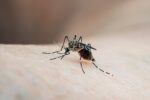
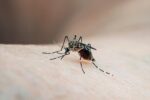
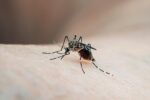
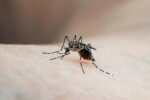
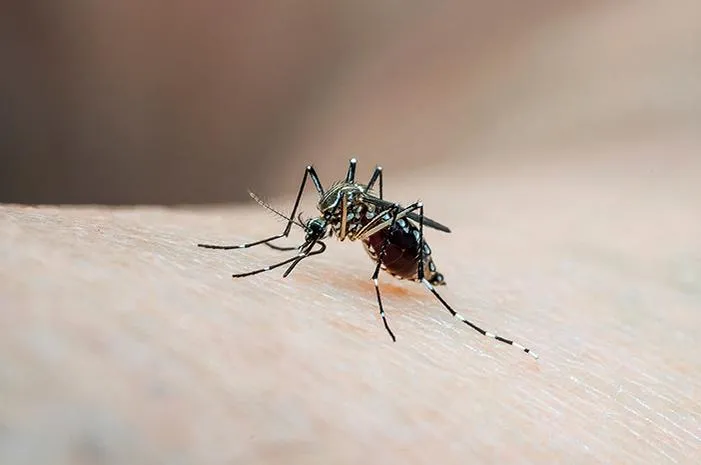
Pathogenic microorganisms are the direct cause of every tropical disease, but their spread is facilitated by specific environmental and biological factors. Vectors, such as the Aedes aegypti mosquito or the Anopheles mosquito, play a pivotal role in transporting pathogens from one host to another. Environmental conditions like stagnant water and high humidity accelerate these breeding cycles.
Direct contact with contaminated water or soil is another common transmission route for bacterial and parasitic infections. Inadequate sanitation and lack of access to clean drinking water increase the risk of diseases like cholera or typhoid. Furthermore, some parasitic worms can penetrate the skin when individuals walk barefoot on infected soil.
Climate change also plays a significant role in the expansion of tropical disease boundaries. Rising global temperatures allow vectors to survive in previously temperate zones, increasing the geographical range of these infections. Public health initiatives focus on reducing these transmission risks through community-level interventions and improved infrastructure.
Homecare Management Strategies
Homecare for a tropical disease focuses on supportive therapy to alleviate symptoms and prevent dehydration while the immune system fights the infection. Maintaining a stable internal environment is critical, especially when dealing with high fevers that can lead to rapid fluid loss. Caregivers must prioritize rest and precise monitoring of the patient’s condition.
Effective homecare protocols include several essential components:
- Hydration: Administering oral rehydration salts (ORS) or clear fluids to maintain electrolyte balance.
- Temperature control: Using tepid sponge baths and prescribed antipyretics to manage fever.
- Nutrition: Providing small, frequent, and easily digestible meals to sustain energy levels.
- Monitoring: Keeping a detailed log of temperature, fluid intake, and any warning signs like persistent vomiting.
Isolation within the home may also be necessary to prevent the spread of certain infections. If the disease is mosquito-borne, the patient should sleep under a mosquito net to prevent local mosquitoes from biting them and then transmitting the virus to other household members. Seeking a professional consultation through Halodoc can help determine if homecare is sufficient or if hospitalization is required.
Preventive Measures and Vaccinations
Prevention remains the most effective strategy against any tropical disease. This involves a combination of vector control, personal protection, and immunization. Eliminating mosquito breeding sites around the home and using insect repellent are fundamental steps in reducing individual exposure to harmful pathogens.
To help prevent dengue fever, consider getting the Qdenga vaccine, which is currently available as a proactive health measure. You can get the vaccine through Halodoc Homecare to ensure protection without needing to visit a clinic. This type of immunization is particularly important for individuals living in or traveling to high-risk areas.
Other preventive measures include:
- Installing screens on windows and doors to keep insects out.
- Wearing long-sleeved clothing and trousers when outdoors during peak mosquito activity hours.
- Ensuring all drinking water is boiled or treated properly.
- Maintaining high standards of personal hygiene, including frequent handwashing.
Conclusion
Managing tropical diseases requires a thorough understanding of their symptoms and transmission methods. While homecare is effective for mild cases, professional medical guidance is essential to monitor for complications. Preventive actions, such as vaccinations and vector control, are the best ways to safeguard health. Consult with a doctor on Halodoc for accurate diagnosis and personalized treatment plans.
Berlangganan Artikel Halodoc
Topik Terkini
Artikel Terkait