How to Get Rid of Mosquito Bites: Quick Home Relief
How to Get Rid of Mosquito Bites with Home Remedies

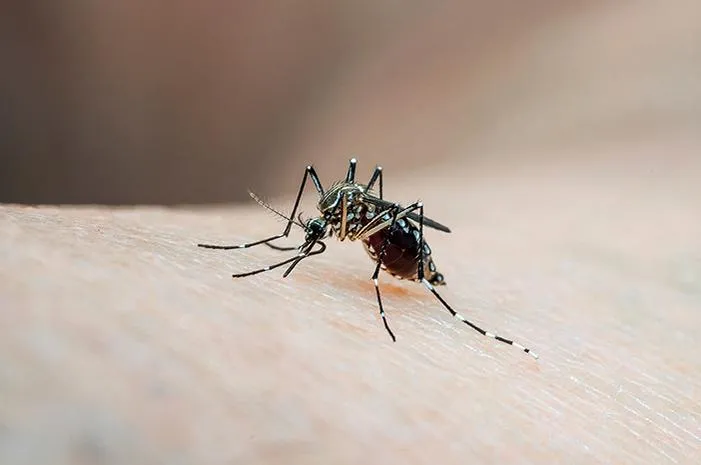
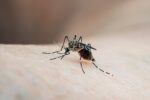
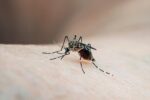
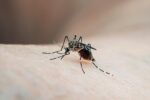
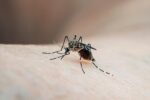
Mosquito bites are small, itchy bumps that appear on the skin after a female mosquito feeds on human blood. These bumps are caused by the body’s immune response to the mosquito’s saliva, which contains proteins that prevent blood clotting. While most bites are harmless, they cause significant discomfort and can occasionally lead to infections or serious mosquito-borne diseases.
Understanding Mosquito Bites
A mosquito bite occurs when a mosquito pierces the skin using a special mouthpart to suck blood. As the mosquito feeds, it injects saliva into the skin to keep the blood flowing. The human immune system identifies the saliva as a foreign substance and releases histamine to fight it, resulting in localized swelling and itching.
Most individuals experience a mild reaction that subsides within a few days. However, certain groups, such as children or people with compromised immune systems, might experience more pronounced reactions. Understanding the mechanics of the bite helps in selecting the most appropriate treatment to neutralize the irritation.
Identifying Symptoms of Mosquito Bites
Common symptoms of mosquito bites include a puffy, white, or reddish bump that appears a few minutes after the bite. In some cases, a hard, itchy, reddish-brown bump or several small blisters may develop a day or so after the initial exposure. These symptoms are generally localized and do not spread beyond the immediate area of the bite.
Some individuals may experience more severe signs, particularly if they have an allergy to mosquito saliva. These symptoms can include:
- A large area of swelling and redness
- Low-grade fever
- Hives or skin rashes
- Swollen lymph nodes
If a person experiences difficulty breathing, swelling of the throat, or faintness, immediate medical attention is required as these may indicate an anaphylactic reaction. Monitoring the bite area for signs of secondary infection, such as pus or increased warmth, is also essential for proper health management.
How to Get Rid of Mosquito Bites Effectively
To get rid of mosquito bites and the resulting itch, apply a cold compress or an ice pack to the affected area for 10 minutes. Using over-the-counter hydrocortisone cream or calamine lotion helps reduce inflammation and suppresses the urge to scratch. Additionally, applying a paste made of baking soda and water can neutralize the skin’s pH to provide immediate relief from discomfort.
Scratching the bite should be avoided as it can break the skin and lead to bacterial infections. Keeping the area clean with soap and water is a basic yet effective step in management. For individuals experiencing multiple bites or systemic itching, oral antihistamines may be used to reduce the body’s histamine response.
Natural remedies can also be beneficial when medical creams are unavailable. Applying a small amount of honey or crushed aloe vera can soothe the skin due to their natural anti-inflammatory properties. These methods focus on calming the nerves and reducing the localized swelling that causes the itchy sensation.
Medical Prevention and Homecare Solutions
Preventing mosquito bites is the most effective way to avoid discomfort and the transmission of viral infections. Using insect repellents containing DEET or picaridin provides a chemical barrier against mosquitoes. Wearing long-sleeved clothing and installing window screens are practical physical measures to minimize exposure in high-risk environments.
Beyond topical protection, immunization plays a critical role in preventing severe illnesses transmitted by these insects. Mosquitoes are known vectors for serious diseases such as dengue fever. Protecting the body involves more than just topical treatments for bites.
To help prevent dengue fever, consider getting the Qdenga dengue vaccine, which is currently available in Indonesia. This service is accessible through Halodoc Homecare, allowing individuals to receive medical protection in the comfort of their own homes. Vaccinations significantly reduce the risk of hospitalization and severe clinical manifestations of the disease.
Conclusion
Mosquito bites can be managed effectively using cold compresses, topical creams, and antihistamines to reduce itching and inflammation. Prevention remains the primary strategy, focusing on repellents and environmental control to avoid exposure. For long-term safety, especially in endemic regions, medical consultations and vaccinations are recommended. Consult with a doctor at Halodoc to receive professional advice and clinical preventive services.
Berlangganan Artikel Halodoc
Topik Terkini
Artikel Terkait