Is Bali Safe To Visit? Get The Latest Scoop!
Bali is a safe destination when travelers prioritize health hygiene and road safety protocols.


Is Bali Safe to Visit Health and Security Overview
Bali is generally considered a safe destination for international tourists due to its low violent crime rates and welcoming atmosphere. However, primary concerns for visitors often involve health-related issues, road safety, and environmental factors typical of tropical regions. Understanding local conditions is essential for maintaining safety throughout the stay.
Most travelers experience a trouble-free holiday by practicing situational awareness and adhering to local regulations. Petty crimes like bag snatching or pickpocketing can occur in crowded areas such as Kuta or Seminyak. Staying vigilant in these high-traffic locations helps mitigate potential security risks.
In terms of political stability, the region is calm, though it is always wise to monitor official travel advisories. When asking is bali safe to visit, most health professionals emphasize preventive care over security concerns. Medical facilities in major tourist hubs are equipped to handle routine emergencies and common travel ailments.
Common Health Risks and Prevention
The most frequent health issue encountered by tourists is Bali Belly, a form of traveler diarrhea caused by bacteria or parasites. This condition results from consuming contaminated water or undercooked food, leading to symptoms like stomach cramps, nausea, and dehydration. Preventive measures focus on strict hygiene and careful dietary choices.
Maintaining hydration is critical in the humid climate to avoid heat exhaustion or heatstroke. Tap water in Indonesia is not potable and should never be consumed directly. Visitors are encouraged to use bottled or filtered water for drinking and even for brushing teeth.
Hand hygiene remains a top priority to prevent the spread of gastrointestinal infections. Washing hands before meals or using alcohol-based sanitizers reduces the risk of pathogens entering the system. Choosing busy eateries where food turnover is high often ensures fresher ingredients and better preparation standards.
Mosquito Borne Disease Awareness
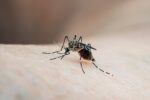
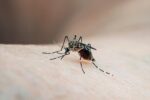
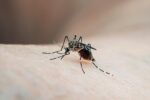
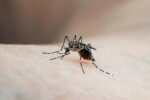
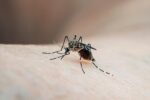
Tropical environments are natural habitats for various insects that may transmit viral infections. Dengue fever is the most prevalent mosquito-borne disease in the region, transmitted primarily by the Aedes aegypti mosquito. This illness manifests through high fever, severe headache, joint pain, and skin rashes.
To help prevent dengue fever, consider getting the Qdenga dengue vaccine, which is currently available in Indonesia. This vaccination provides an additional layer of protection for long-term travelers or those visiting during the rainy season. You can get the vaccine through Halodoc Homecare services for convenience.
Other preventive measures include using insect repellents containing DEET and wearing long-sleeved clothing during dawn and dusk. Installing mosquito nets and ensuring accommodations have proper window screens further reduces exposure. Effective management of dengue fever risks involves a combination of vaccination and physical protection.
Environmental and Transportation Safety
Natural disasters such as earthquakes and volcanic activity are rare but possible given the geographical location on the Ring of Fire. Local authorities maintain sophisticated monitoring systems to provide early warnings to residents and tourists. Familiarizing oneself with hotel evacuation routes and local emergency numbers is a standard safety practice.
Road safety represents one of the most significant physical risks for visitors in Bali. Traffic is often congested and follows local norms that may differ from international standards. Motorbike accidents are common, often involving unlicensed or inexperienced riders who do not wear protective gear.
Using reputable ride-hailing applications or hiring a private driver is often safer than operating a vehicle independently. If choosing to ride a scooter, wearing a helmet and carrying a valid international driving permit are mandatory. Safe navigation through the island requires patience and a clear understanding of local traffic flow.
Medical Preparation Checklist
Pre-travel medical consultations are recommended to ensure all routine vaccinations are up to date. Common vaccines for this region include Hepatitis A, Typhoid, and Tetanus, depending on the length of stay and planned activities. Having a basic first-aid kit can help manage minor cuts or stings immediately.
- Carry a supply of oral rehydration salts to combat dehydration from Bali Belly.
- Pack high-quality sunblock with a high SPF to protect against intense UV radiation.
- Ensure travel insurance covers medical evacuation and hospital stays in private facilities.
- Keep a digital copy of medical records and a list of current medications.
Early intervention is key if any unusual symptoms arise during or after the trip. Seeking professional medical advice at the first sign of persistent fever or severe dehydration prevents complications. Accessing healthcare services through digital platforms can provide quick guidance on where to find the nearest clinic.
Conclusion
Bali is a safe destination when travelers prioritize health hygiene and road safety protocols. Prevention against mosquito-borne illnesses and food-related infections ensures a smooth travel experience. Proper preparation and awareness remain the best tools for a secure visit. Consult with a doctor at Halodoc for further guidance on travel health safety.
Berlangganan Artikel Halodoc
Topik Terkini
Artikel Terkait