Find Out the Real Reason Why Do Mosquito Bites Itch

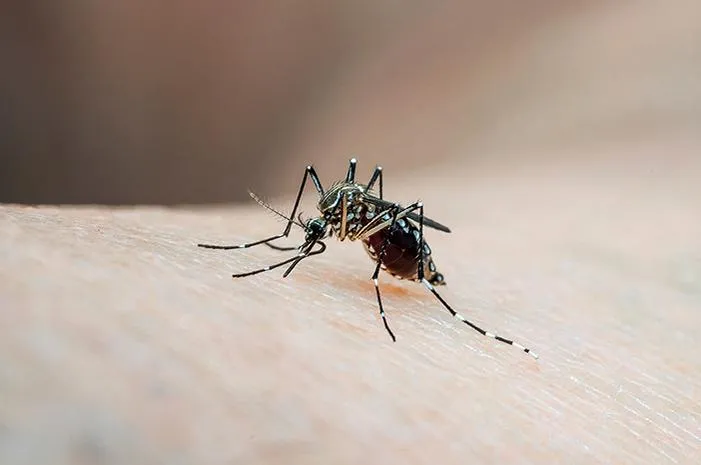
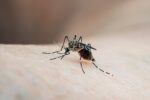
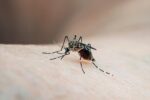
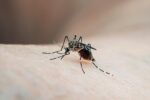
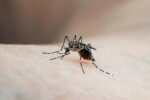
Mosquito bites itch because of a biological reaction to the mosquito’s saliva. When a female mosquito pierces the skin to feed on blood, it injects saliva containing specific proteins and anticoagulants. These substances prevent blood from clotting during the feeding process, but the human immune system identifies these proteins as foreign invaders, triggering an immediate inflammatory response.
Why Do Mosquito Bites Itch?
The primary reason mosquito bites itch is the release of histamine by the body’s immune system. Histamine is a chemical produced to fight off foreign substances, such as the proteins found in mosquito saliva. This chemical causes the blood vessels near the bite site to swell, resulting in a red, itchy bump that serves as a visible sign of the immune reaction.
Most people experience this reaction within minutes of being bitten. The intensity of the itch often depends on the individual’s sensitivity to the specific proteins in the saliva. Some individuals may develop a significant tolerance over time, while others might experience increasingly severe reactions with subsequent bites.
The Biological Cause of Itching
The itching sensation is a direct result of nerve stimulation caused by the inflammatory response. When histamine is released, it binds to receptors on nearby nerve endings, sending signals to the brain that the area is irritated. This creates the urge to scratch, which is the body’s natural but often counterproductive response to the irritation.
Scratching the bite can actually worsen the situation by causing more inflammation. It can also break the skin, increasing the risk of secondary bacterial infections. Understanding that the itch is a chemical signal can help in choosing the right pharmacological interventions rather than physical scratching.
Symptoms of Mosquito Bites
Standard symptoms typically appear shortly after the mosquito has finished feeding. These signs are generally localized to the area of the bite and resolve within a few days. Common symptoms include:
- A puffy, white and reddish bump that appears minutes after the bite.
- A hard, itchy, reddish-brown bump, or multiple bumps, appearing a day or so after the bite.
- Small blisters instead of hard bumps in some cases.
- Dark spots that look like bruises.
In children or individuals with immune system disorders, reactions may be more pronounced. These individuals might experience a large area of swelling and redness, a low-grade fever, or hives. Persistent or worsening symptoms should be monitored closely by a healthcare professional.
Health Risks Associated with Mosquitoes
While the itch itself is usually harmless, mosquitoes are vectors for several serious diseases. In tropical and subtropical regions, the risks of contracting blood-borne illnesses are significantly higher. One of the most prevalent risks is dengue fever, which is transmitted by the Aedes aegypti mosquito.
Dengue symptoms often include high fever, severe headache, and joint pain. To help prevent this condition, consider getting the Vaksin Demam Berdarah Qdenga, which is currently available through Halodoc Homecare. Vaccination serves as a critical layer of protection for those living in or traveling to high-risk areas.
How to Relieve Mosquito Bite Itch
Relieving the itch requires neutralizing the histamine response or soothing the skin. Applying a cold compress can constrict blood vessels and reduce swelling and itching. This is a non-pharmacological way to provide immediate, temporary relief from the discomfort.
Over-the-counter treatments are also highly effective for managing symptoms. Consider using the following methods:
- Topical antihistamine creams to block histamine receptors.
- Hydrocortisone cream to reduce inflammation and redness.
- Calamine lotion to provide a cooling effect on the skin.
- Oral antihistamines for those experiencing multiple bites or systemic reactions.
It is important to avoid applying strong chemicals to broken skin. If scratching has caused a wound, clean the area with soap and water and apply an antiseptic. Monitoring for signs of infection, such as pus or increased warmth, is essential for proper recovery.
Prevention Tips and Vaccination
Prevention is the most effective way to avoid the itch and the risks associated with mosquito-borne diseases. Using insect repellents containing DEET, picaridin, or oil of lemon eucalyptus can effectively deter mosquitoes. Additionally, wearing long-sleeved clothing and trousers when outdoors during peak mosquito activity helps reduce exposed skin.
Environmental control is equally important in reducing mosquito populations. Removing standing water from around the house prevents mosquitoes from breeding. For long-term health safety, staying updated on vaccinations is recommended for those in endemic regions.
The dengue fever vaccine is a vital tool for community health. You can conveniently book the Qdenga vaccine through the Halodoc Homecare service. This service provides a safe and professional way to receive protection without needing to visit a hospital.
Conclusion
Mosquito bites itch due to the immune system’s reaction to mosquito saliva, specifically the release of histamine. While most bites are minor nuisances, they can lead to serious infections or diseases like dengue. Practicing prevention through repellents and vaccination is the best approach to maintain health. Consult with a doctor at Halodoc for appropriate medical guidance or to schedule a homecare vaccination.
Berlangganan Artikel Halodoc
Topik Terkini
Artikel Terkait