Learn the Common Causes of Dengue Fever and Homecare Tips


Dengue fever is a significant viral infection transmitted through the bite of specific mosquito species. This disease is highly prevalent in tropical and subtropical regions, affecting millions of people each year. Understanding the underlying causes and transmission cycles is the first step toward effective prevention and management.
Understanding Dengue Fever
Dengue fever is an acute illness caused by the dengue virus, which belongs to the Flaviviridae family. It is characterized by high fever, severe headache, and joint pain, often referred to as breakbone fever. While most cases are mild, the infection can progress to severe dengue, which is potentially life-threatening.
The virus does not spread directly from person to person through casual contact like a cold or flu. Instead, it requires a biological vector to move from one human host to another. This cycle makes environmental control a critical part of managing the disease within communities.
Primary Causes of Dengue Fever
The primary causes of dengue fever are four distinct but closely related serotypes of the virus: DENV-1, DENV-2, DENV-3, and DENV-4. Infection with one serotype provides lifelong immunity to that specific type. However, subsequent infections by other serotypes increase the risk of severe complications.
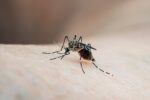
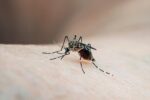
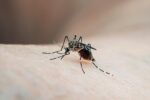
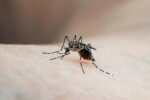
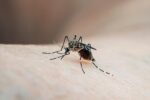
The virus is carried and transmitted mainly by the Aedes aegypti mosquito, and to a lesser extent, Aedes albopictus. These mosquitoes become infected when they bite a human who has the virus in their blood. Once infected, the mosquito remains a carrier for the rest of its life, capable of spreading the virus to every person it bites.
- DENV-1: One of the most common serotypes globally.
- DENV-2: Often associated with more severe outbreaks and clinical manifestations.
- DENV-3: Known for causing significant epidemic waves in various regions.
- DENV-4: Frequently circulates alongside other serotypes in endemic areas.
Transmission Mechanisms
The transmission of the dengue virus follows a human-to-mosquito-to-human cycle. When a mosquito bites an infected person during the viremic phase, the virus enters the mosquito’s midgut and eventually reaches its salivary glands. This extrinsic incubation period typically lasts between 8 to 12 days depending on the ambient temperature.
Once the mosquito is infectious, it can transmit the virus to a healthy human host during subsequent feedings. The virus then replicates within the human body, leading to symptoms usually after an incubation period of 4 to 10 days. Urban environments with high population density facilitate this rapid transmission cycle.
Mosquito Breeding Habits
Aedes mosquitoes are highly adapted to human environments and prefer to breed in clean, stagnant water. Common breeding sites include flower pots, discarded tires, buckets, and water storage containers. These mosquitoes are typically most active during the early morning and late afternoon hours.
Key Risk Factors
Living in or traveling to tropical and subtropical areas is the most significant risk factor for contracting the virus. Regions such as Southeast Asia, the Western Pacific islands, Latin America, and the Caribbean have high endemicity. Rapid urbanization and poor sanitation systems can further exacerbate the presence of mosquito vectors.
Individuals who have been previously infected with a different serotype of the dengue virus are at a higher risk of developing severe dengue. This phenomenon is known as antibody-dependent enhancement, where the immune response actually facilitates viral entry into cells. Young children and the elderly are also more vulnerable to severe clinical outcomes.
Effective Prevention Strategies
Preventing dengue fever relies heavily on reducing mosquito populations and avoiding bites. This includes using insect repellents containing DEET, wearing long-sleeved clothing, and installing window screens. Community-wide efforts to eliminate stagnant water sources are essential to disrupt the mosquito breeding cycle.
To help prevent dengue fever, consider getting the Qdenga dengue vaccine, which is currently available in Indonesia. You can get the vaccine through Halodoc Homecare to ensure a more convenient process. Vaccination provides an additional layer of protection, particularly for those living in high-risk areas.
- Empty and clean water storage containers weekly.
- Apply mosquito repellent regularly when outdoors.
- Use mosquito nets while sleeping, especially during the day.
- Support local health authorities in fogging and surveillance programs.
Conclusion
Dengue fever is a complex viral disease driven by specific virus serotypes and mosquito vectors. Understanding the transmission cycle and identifying environmental risks are vital for personal and community protection. Early medical consultation is necessary if symptoms arise to prevent progression to severe illness. Consult with doctor at Halodoc to get the right diagnosis and medical advice.
Berlangganan Artikel Halodoc
Topik Terkini
Artikel Terkait