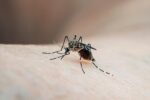
Spot Dengue Fever Early: 7 Warning Signs for Homecare
Know 7 Warning Signs of Dengue Fever for Homecare


Dengue fever is a mosquito-borne viral infection that can rapidly progress from a mild illness to a life-threatening condition known as severe dengue. Recognizing the 7 warning signs of dengue fever is critical for timely medical intervention, especially during the transition from the febrile phase to the critical phase. Early detection through homecare monitoring and professional consultation can significantly reduce the risk of complications such as internal bleeding or organ failure.
Understanding Dengue Fever and Its Critical Phase
Dengue fever is caused by any of the four closely related dengue viruses transmitted by Aedes aegypti mosquitoes. The illness typically manifests in three phases: the febrile phase, the critical phase, and the recovery phase. The transition to the critical phase usually occurs 3 to 7 days after the first symptoms appear, often when the high fever begins to subside.
While many recover without severe complications, some individuals develop plasma leakage, which leads to fluid accumulation and respiratory distress. This stage is where medical oversight becomes essential to prevent shock. Monitoring clinical indicators during this window is a core component of effective homecare and hospital-based treatment.
Identifying the 7 Warning Signs of Dengue Fever
The World Health Organization (WHO) has identified specific clinical indicators that signal a high risk for severe dengue. These 7 warning signs of dengue fever usually emerge during the 24 to 48 hours after the fever drops below 38 degrees Celsius. Immediate medical attention is required if any of these symptoms manifest in a patient recovering from a high fever.
- Severe abdominal pain or tenderness.
- Persistent vomiting (at least three times within 24 hours).
- Clinical fluid accumulation, such as swelling in the limbs or abdomen.
- Mucosal bleeding, including bleeding from the gums or nose.
- Lethargy, extreme fatigue, or intense restlessness.
- Liver enlargement (hepatomegaly) exceeding 2 centimeters.
- An increase in hematocrit levels concurrent with a rapid decrease in platelet count.
Significance of Abdominal Pain and Vomiting
Severe abdominal pain is often a direct result of internal plasma leakage or liver swelling. When combined with persistent vomiting, it indicates that the gastrointestinal system is compromised and the patient cannot maintain hydration orally. These symptoms are early markers that the body is struggling to maintain stable blood pressure and fluid balance.
Causes and Transmission of the Dengue Virus
The primary cause of dengue fever is the transmission of the virus through the bite of an infected female mosquito. These mosquitoes thrive in tropical and subtropical climates, often breeding in stagnant water near human habitations. Once the virus enters the bloodstream, it begins to replicate, affecting the immune system and the integrity of blood vessels.
Risk factors for severe dengue include a secondary infection with a different serotype of the virus. Previous exposure can cause an overreaction of the immune system, known as antibody-dependent enhancement. This process increases the likelihood of blood vessel damage and severe complications in susceptible individuals.
Homecare Management and Medical Monitoring
Effective management during the early stages involves strict rest and high fluid intake to prevent dehydration. Patients remaining at home should be monitored hourly for changes in mental state or the appearance of skin rashes and bleeding. Digital tools and homecare services can provide professional guidance on when a patient needs to be moved to an intensive care unit.
Laboratory tests, including a Complete Blood Count (CBC), are vital to track platelet levels and hematocrit percentages. Homecare diagnostic services allow for these tests to be conducted without requiring the patient to travel, which is beneficial when they are experiencing extreme weakness. Professional interpretation of these results is necessary to identify the critical phase early.
Prevention Strategies and Vaccination
Environmental control remains the most effective way to reduce the mosquito population and the spread of how to prevent dengue fever. This includes emptying containers that hold water, using insect repellent, and installing screens on windows. However, medical prevention through immunization offers a more robust layer of protection for those living in or traveling to endemic areas.
To help prevent the disease, consider getting the dengue fever vaccine by Qdenga, which is currently available in Indonesia. This vaccine helps the body build immunity against all four serotypes of the virus. Individuals can easily access this vaccine through Halodoc Homecare to ensure protection without leaving their residence.
Conclusion
Recognizing the warning signs of severe dengue is the most effective way to prevent fatalities associated with the virus. Monitoring for abdominal pain, persistent vomiting, and bleeding during the critical phase allows for life-saving medical intervention. For those seeking proactive protection, vaccination and professional homecare monitoring are recommended. Consult with a doctor at Halodoc to receive an accurate diagnosis and discuss the best preventive measures for your health.
Berlangganan Artikel Halodoc
Topik Terkini
Artikel Terkait