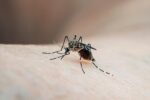
Spot These Early Symptoms of Dengue Fever at Home


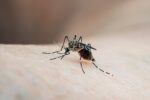
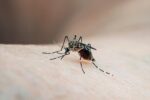
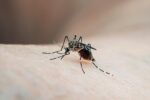
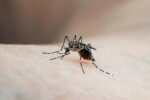
Dengue fever is a viral infection transmitted to humans through the bite of infected mosquitoes. It is most common in tropical and subtropical climates where the primary vectors, Aedes aegypti mosquitoes, thrive. While many infections are asymptomatic or result in mild illness, the virus can cause severe health complications if not monitored properly.
The condition is caused by any of the four serotypes of the dengue virus. Recovery from one serotype provides lifelong immunity against that specific type, but subsequent infections with different serotypes increase the risk of developing severe dengue. Early detection remains the most effective way to manage the disease and prevent fatalities.
Public health awareness is crucial because the disease can spread rapidly during rainy seasons. Understanding the progression of the virus helps individuals seek medical attention at the right time. Most cases can be managed with supportive care, but specialized medical supervision is necessary for high-risk groups.
Common Symptoms of Dengue Fever
The primary symptoms of dengue fever include a sudden high fever, often reaching 40 degrees Celsius, accompanied by severe muscle and joint pain. These signs usually appear four to ten days after the initial mosquito bite. Most patients experience a recovery period within one week of the onset of clinical signs.
In the early stages, the infection can be difficult to distinguish from other viral illnesses like influenza or malaria. The hallmark of this condition is the intensity of the pain, which has earned it the nickname bone-break fever. Patients should monitor their condition closely during the first few days of the febrile phase.
The following are the most frequent symptoms observed in mild to moderate cases:
- Intense headache, usually concentrated behind the eyes.
- Nausea and persistent vomiting.
- Swollen lymph nodes or glands.
- Skin rash that typically appears two to five days after the fever starts.
- Fatigue and general malaise.
Accurate identification of these signs allows for timely intervention. If dengue fever is suspected, individuals should prioritize hydration and rest while seeking professional diagnostic testing to confirm the presence of the virus.
Warning Signs of Severe Complications
Severe dengue is a life-threatening condition that develops when the infection leads to plasma leakage, fluid accumulation, or respiratory distress. These warning signs often emerge 24 to 48 hours after the initial fever begins to subside. This period is known as the critical phase and requires immediate emergency medical care.
Medical professionals categorize severe dengue as a state where the body’s circulatory system begins to fail. This can lead to internal bleeding and organ impairment. Prompt hospitalization is necessary to manage fluid balance and prevent the patient from entering a state of shock.
Red flags that indicate a progression to severe disease include:
- Severe and persistent abdominal pain.
- Rapid breathing or shortness of breath.
- Bleeding gums, nosebleeds, or blood in the stool.
- Extreme restlessness or irritability.
- A sudden drop in blood pressure.
Clinical observation during this phase is vital for survival. Healthcare providers usually perform frequent blood tests to monitor platelet counts and hematocrit levels. Early supportive therapy in a hospital setting can reduce mortality rates to less than one percent.
Causes and Transmission Mechanisms
The transmission of the virus occurs through a biological cycle between humans and mosquitoes. When a mosquito bites a person already infected with the virus, the mosquito becomes a carrier. After an incubation period of eight to twelve days, the mosquito can transmit the virus to a healthy person during a subsequent bite.
Environmental factors play a significant role in the prevalence of the disease. Stagnant water in containers, flowerpots, or discarded tires provides the ideal breeding ground for Aedes mosquitoes. These insects are most active during the early morning and late afternoon, increasing the risk of exposure during these times.
The virus cannot be spread directly from one person to another. It requires the mosquito as an intermediary vector to move through a population. Urbanization and lack of proper waste management often contribute to the higher density of these mosquitoes in residential areas.
Effective Prevention and Vaccination
Preventing the infection involves a combination of vector control and personal protection strategies. Reducing the number of mosquito breeding sites around the home is the most sustainable way to lower infection rates. Using insect repellents containing DEET and wearing long-sleeved clothing also provides a barrier against mosquito bites.
Medical advancements have introduced immunization as a proactive defense strategy. To help prevent dengue fever, consider getting the Qdenga dengue vaccine, which is currently available in Indonesia. You can get the vaccine through Halodoc Homecare to ensure protection for the entire family.
Vaccination is particularly recommended for individuals living in or traveling to endemic regions. It helps the immune system recognize the virus and reduces the likelihood of developing severe symptoms upon infection. Combining vaccination with environmental cleaning programs offers the best chance of controlling outbreaks.
- Empty and scrub water storage containers weekly.
- Install screens on windows and doors to keep mosquitoes outside.
- Use mosquito nets while sleeping, especially during the day.
- Participate in community fogging or larvicide programs.
Conclusion
Dengue fever remains a significant health challenge that requires vigilance and early action. Recognizing the symptoms of dengue fever, such as high fever and severe body aches, is the first step toward effective management. If warning signs like persistent vomiting or bleeding occur, seek immediate medical attention. To reduce the risk of infection, maintain a clean environment and consider preventive measures like the Qdenga vaccine. Consult with a doctor on Halodoc for further guidance on diagnosis and treatment.
Berlangganan Artikel Halodoc
Topik Terkini
Artikel Terkait