Top 5 Places to Visit in Bali: Unforgettable Island Fun
Bali offers an incredible range of experiences from the cliffs of Uluwatu to the jungles of Ubud, but these destinations require careful health and safety management.


Top 5 Places to Visit in Bali: Unforgettable Island Fun and Travel Safety
Bali remains a primary global destination due to its unique blend of cultural heritage, breathtaking coastlines, and lush tropical landscapes. Exploring the island requires a balance between visiting iconic landmarks and maintaining physical well-being to avoid common tropical health issues. Proper planning involves understanding the environment of each location to ensure a safe and memorable journey.
Uluwatu Temple and Coastal Wellness
Uluwatu Temple is one of the top 5 places to visit in Bali, famous for its clifftop views and traditional Kecak dance performances. To enjoy this destination safely, travelers must prioritize hydration and sun protection due to high coastal temperatures. Proper preparation ensures that the experience remains enjoyable without health complications like heat exhaustion or severe sunburn.
The temple is located on a steep cliff approximately 70 meters above sea level, exposing visitors to direct sunlight and high humidity. It is essential to use broad-spectrum sunscreen with a high SPF rating to prevent skin damage. Wearing breathable clothing and hats can further reduce the risk of thermal stress during the afternoon tours.
Hydration is critical when walking through the temple complex. Carrying at least one liter of mineral water helps maintain electrolyte balance, which is often disrupted by excessive sweating in tropical climates. Monitoring for signs of dizziness or fatigue is a necessary precaution for all age groups visiting this area.
- Apply sunscreen 30 minutes before outdoor exposure.
- Drink water consistently even if thirst is not immediately felt.
- Be cautious of local wildlife to avoid bites or scratches.
Ubud Monkey Forest and Environmental Health
Ubud Monkey Forest serves as a sanctuary that combines spiritual significance with a natural jungle environment, making it a staple on any Bali itinerary. While the shaded paths offer relief from the heat, the dense vegetation increases exposure to tropical insects and mosquitoes. Visitors should be aware of vector-borne risks associated with jungle areas.
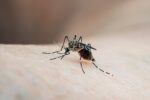
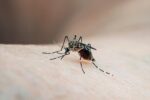
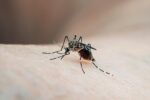
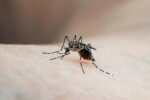
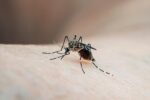
Mosquitoes in tropical regions can transmit various diseases, including dengue fever, which is prevalent in areas with high humidity and standing water. Using insect repellent containing DEET or picaridin is a recommended preventive measure when walking through the forest. Long sleeves and trousers can provide an additional physical barrier against bites.
Interacting with the long-tailed macaques requires caution to prevent zoonotic transmission, which refers to diseases passed from animals to humans. Maintaining a safe distance and avoiding the use of food to attract animals reduces the risk of physical injury. In the event of a bite or scratch, immediate medical attention is necessary to prevent infection.
Seminyak Beach and Nutritional Safety
Seminyak is renowned for its vibrant culinary scene and beautiful sunset beaches, attracting tourists looking for high-quality dining experiences. However, dietary changes and local water conditions can sometimes lead to gastrointestinal distress, commonly referred to as Bali Belly. Selecting reputable dining establishments and practicing good hand hygiene are essential for maintaining digestive health.
When consuming food in tropical destinations, it is safer to prioritize cooked meals served at high temperatures. Avoiding raw vegetables or fruits that have been washed in untreated tap water can significantly reduce the risk of microbial contamination. Using bottled water for drinking and even for brushing teeth is a standard recommendation for international travelers.
Gastrointestinal infections can lead to rapid dehydration, especially in a hot climate. Travelers should carry oral rehydration salts to manage potential fluid loss. If symptoms such as severe abdominal pain, persistent vomiting, or fever occur, professional medical consultation should be sought immediately to avoid complications.
- Only consume bottled or filtered water.
- Verify that ice in drinks is made from sterilized water.
- Use hand sanitizer before every meal.
Mount Batur and Physical Endurance
Mount Batur offers a sunrise trekking experience that is highly sought after by outdoor enthusiasts visiting the island. Reaching the summit requires moderate physical exertion and preparation for cooler temperatures at higher altitudes. Understanding personal physical limits is vital before undertaking this early morning hike to ensure cardiovascular and muscular safety.
The trek usually begins in the early hours of the morning, meaning hikers must manage their sleep patterns to avoid fatigue-related injuries. Wearing appropriate footwear with adequate grip is necessary to navigate the volcanic terrain safely. Proper stretching before and after the hike helps prevent muscle strains and enhances recovery after the descent.
Altitude can sometimes affect individuals with underlying respiratory or cardiovascular conditions. Although Mount Batur is not extremely high, the change in oxygen levels and the physical demand can cause shortness of breath. Taking frequent breaks and maintaining a steady pace allows the body to acclimatize more effectively during the ascent.
Nusa Penida and Emergency Preparedness
Nusa Penida is home to iconic spots like Kelingking Beach and Broken Beach, offering some of the most dramatic landscapes in the region. The rugged terrain and limited infrastructure on the island require visitors to be self-sufficient and prepared for emergencies. Safety awareness is the most critical factor when exploring the remote cliffs and beaches of this island.
Many popular viewpoints lack substantial safety barriers, making it imperative to exercise extreme caution when taking photographs near cliff edges. Strong ocean currents are also a significant risk factor at beaches like Kelingking and Diamond Beach. Swimming is often discouraged in these areas due to unpredictable waves and powerful undertows.
Access to advanced medical facilities on Nusa Penida is limited compared to mainland Bali. Carrying a basic first-aid kit containing antiseptics, bandages, and essential personal medications is highly advisable. Knowing the location of the nearest clinic or having a reliable communication method can be lifesaving in the event of an accident.
Essential Health Preparations for Bali Travelers
A successful trip to Bali involves more than just an itinerary; it requires proactive health management. Before arrival, checking the status of routine vaccinations and considering specific tropical immunizations can provide long-term protection. Preventative care is the most effective way to ensure that travel plans are not interrupted by illness.
To help prevent dengue fever, consider getting the dengue vaccine Qdenga, which is currently available for residents and travelers in Indonesia. This vaccine provides significant protection against the various serotypes of the virus commonly found in tropical environments. Accessing this service through Halodoc Homecare allows for a convenient and professional medical experience.
Health insurance with international coverage is another vital component of travel preparation. It should include provisions for medical evacuation if the traveler plans to visit remote areas like Nusa Penida or North Bali. Keeping digital copies of medical records and a list of allergies can assist local healthcare providers in delivering accurate treatment during an emergency.
Conclusion
Bali offers an incredible range of experiences from the cliffs of Uluwatu to the jungles of Ubud, but these destinations require careful health and safety management. Prioritizing hydration, insect protection, and food hygiene can prevent the most common travel-related illnesses. Consult with a doctor at Halodoc for more information on travel vaccinations and health tips to ensure a safe journey.
Berlangganan Artikel Halodoc
Topik Terkini
Artikel Terkait