What to Do in Bali When It Rains: Still Fun!
Traveling to Bali during the rainy season requires a shift toward indoor cultural, artistic, and wellness activities to stay safe and dry.


Bali experiences a tropical monsoon climate where the rainy season typically occurs between November and March. While outdoor beach activities may be limited during downpours, the island offers numerous indoor alternatives that are both culturally enriching and safe for health. Proper planning ensures that a holiday remains enjoyable and minimizes exposure to seasonal health risks.
What to Do in Bali When It Rains
When searching for what to do in Bali when it rains, travelers should prioritize indoor activities such as visiting art museums in Ubud, attending traditional Balinese cooking classes, or participating in indoor jewelry-making workshops. These activities provide a deep dive into local heritage without exposure to the elements. Wellness retreats and holistic spa treatments also serve as excellent ways to spend time during heavy tropical showers.
Indoor shopping centers and artisanal markets under cover offer another productive way to spend a rainy afternoon. Areas like Seminyak and Kuta have modern malls that feature cinema halls, international dining, and retail therapy. These locations provide a controlled environment that is comfortable for families and individuals alike.
For those interested in performing arts, several theaters offer indoor cultural shows. The Devdan Show in Nusa Dua is a prominent example, showcasing Indonesian diversity through dance and acrobatics. Visiting these venues allows travelers to appreciate the artistic soul of the island while staying dry.
Indoor Cultural and Wellness Experiences
Cultural immersion does not require clear skies as many of Bali’s most significant art collections are housed indoors. The ARMA (Agung Rai Museum of Art) and Neka Art Museum in Ubud provide extensive galleries that narrate the history of Balinese painting. Spending hours in these galleries provides a tranquil atmosphere perfect for rainy weather.
Wellness is a cornerstone of Balinese tourism and remains accessible regardless of the weather. Indoor yoga studios and meditation centers across Canggu and Ubud offer classes that cater to all skill levels. These sessions focus on physical health and mental clarity, providing a productive alternative to outdoor sightseeing.
Cooking schools are highly recommended for food enthusiasts looking for indoor engagement. Participants learn to use traditional spices and techniques to create authentic Balinese dishes. This educational experience often includes a detailed explanation of the medicinal properties of local ingredients like turmeric and ginger.
- Traditional Balinese massage and reflexology sessions
- Silver jewelry making classes in Celuk village
- Batik painting workshops for all ages
- Balinese coffee tasting and production tours
Health Considerations During the Rainy Season
The rainy season in Bali brings increased humidity and lower temperatures, which can affect the respiratory system. Prolonged exposure to damp environments may increase the risk of the common cold or influenza. Maintaining a strong immune system through proper nutrition and hydration is essential during this period.
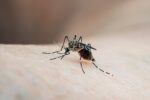
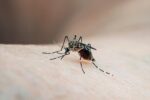
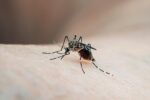
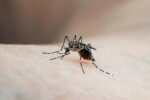
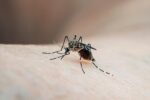
Wet weather also facilitates the accumulation of stagnant water, which serves as a breeding ground for Aedes aegypti mosquitoes. These mosquitoes are primary vectors for tropical diseases. Travelers must remain vigilant about mosquito protection during the day and early evening when these insects are most active.
Food safety remains a priority as humidity can accelerate the spoilage of perishable items. Choosing reputable dining establishments and ensuring food is served hot reduces the risk of gastrointestinal infections. Staying hydrated with bottled or filtered water is also a fundamental health practice in tropical climates.
Preventing Dengue Fever While Traveling
During the monsoon months, the prevalence of mosquito-borne illnesses tends to rise significantly. To help prevent dengue fever, consider getting the Qdenga dengue vaccine, which is currently available in Indonesia. This preventive measure is particularly useful for those planning extended stays or frequent visits to tropical regions.
In addition to vaccination, the use of mosquito repellents containing DEET or picaridin is highly recommended. Wearing long-sleeved clothing and trousers when visiting forested areas or rural villages provides a physical barrier against bites. Using mosquito nets or staying in accommodations with screened windows further minimizes risk.
Early detection of symptoms such as high fever, severe headache, and joint pain is crucial for effective management. If these symptoms occur, seeking immediate medical attention is necessary to prevent complications. You can get the vaccine through Halodoc Homecare to ensure a safer travel experience during the rainy season.
Conclusion
Traveling to Bali during the rainy season requires a shift toward indoor cultural, artistic, and wellness activities to stay safe and dry. It is essential to remain aware of seasonal health risks, particularly mosquito-borne diseases that thrive in humid conditions. Implementing preventive measures such as vaccination and proper hygiene ensures a healthy holiday. Consult with a doctor at Halodoc for further medical advice or to schedule preventive health services.
Berlangganan Artikel Halodoc
Topik Terkini
Artikel Terkait