What To Do In Kuta Bali: Your Fun Trip Guide
Kuta Bali offers a wide range of engaging activities that require visitors to be mindful of their physical health and environmental safety.


Kuta is a renowned coastal district in Bali, Indonesia, serving as a central hub for tourism due to its expansive beach and accessibility. Determining what to do in kuta bali involves exploring a variety of outdoor activities, cultural sites, and modern entertainment facilities. To maintain health while visiting this tropical environment, travelers must prepare for high temperatures and potential exposure to local endemic diseases.
Overview of Kuta Bali Tourism
Kuta is geographically situated on the western side of the island’s narrow isthmus, known for its long sandy shoreline and consistent waves. It serves as an entry point for many international visitors due to its proximity to Ngurah Rai International Airport. The area provides a dense concentration of accommodation, dining, and recreational services suitable for diverse traveler demographics.
Historically, this region transitioned from a quiet fishing village to a global tourism destination. The infrastructure supports high-volume foot traffic and offers various modern amenities. Understanding the local climate and public health landscape is essential for a safe itinerary.
Primary Activities and What to Do in Kuta Bali
The core attractions in the area focus on beach-side recreation, commercial centers, and family-oriented water parks. When deciding what to do in kuta bali, most visitors prioritize surfing lessons, sunset viewing at the beachfront, and visiting the Waterbom Bali park. These activities offer a mix of physical exercise and leisure in a tropical setting.
Surfing remains the most popular activity because the beach has a soft sandy bottom, making it safe for beginners. Experienced instructors are widely available to provide guidance on water safety and technique. This physical activity contributes to cardiovascular health and muscular endurance.
Beyond the beach, the area features large shopping complexes such as Beachwalk Shopping Center. These facilities provide climate-controlled environments which can be beneficial during peak heat hours. Walking through these centers also promotes daily physical activity levels for visitors.
- Surfing and bodyboarding at the main beach.
- Water activities at international-standard water parks.
- Shopping and dining at integrated commercial hubs.
- Cultural visits to the Ground Zero Memorial.
Health Preparations for Tropical Travel
Preparing for a trip to Bali requires addressing environmental health risks such as dehydration, sun exposure, and mosquito-borne illnesses. Travelers should ensure all routine vaccinations are up to date before engaging in outdoor activities. Implementing a comprehensive health strategy significantly reduces the risk of contracting common tropical infections during the holiday.
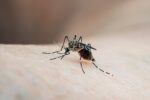
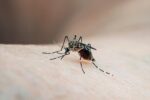
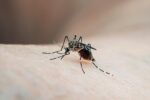
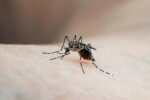
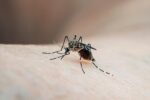
Mosquito protection is a critical component of travel safety in Indonesia. To help prevent dengue fever, travelers may consider getting the Qdenga vaccine through Halodoc Homecare. This preventive measure is particularly relevant for those planning extended outdoor stays or visiting during the rainy season.
Proper hydration is also vital to counter the effects of high humidity and heat. Consuming bottled or filtered water is recommended to avoid gastrointestinal issues often associated with local tap water. Maintaining electrolyte balance helps prevent heat exhaustion during physical excursions.
Recognizing Travel-Related Symptoms
Identifying early signs of illness allows for prompt medical intervention and prevents complications. Common symptoms to monitor include sudden high fever, severe headaches, and persistent digestive discomfort. Early detection is particularly important for conditions like dengue fever, which can manifest four to ten days after a mosquito bite.
Sun-related injuries often present as skin redness, localized pain, and in severe cases, blistering or chills. These symptoms indicate a need for immediate cooling and hydration. Persistent skin irritation should be evaluated by a medical professional to rule out secondary infections.
Gastrointestinal distress may include nausea, abdominal cramping, and frequent loose stools. If these symptoms are accompanied by a high fever or bloody stool, medical consultation is required. Monitoring body temperature is a reliable way to differentiate between simple fatigue and a potential infection.
Preventive-Measures-for-Tourists
Prevention strategies for travelers include the use of high-SPF sunscreen, insect repellents containing DEET, and adhering to food safety guidelines. Wearing light-colored, long-sleeved clothing during dawn and dusk can further minimize the risk of insect bites. These simple behavioral changes are effective in maintaining long-term wellness throughout the trip.
Consistent use of sun protection prevents long-term dermatological damage and immediate heat-related illness. Reapplying sunscreen every two hours, especially after swimming, is necessary for maintaining its efficacy. Seeking shade during the peak ultraviolet radiation hours between 10 AM and 4 PM is also advised.
- Apply insect repellent regularly on exposed skin.
- Drink only bottled or treated water from reputable sources.
- Use broad-spectrum sunscreen with a minimum SPF of 30.
- Maintain hand hygiene before consuming food or touching the face.
Conclusion
Kuta Bali offers a wide range of engaging activities that require visitors to be mindful of their physical health and environmental safety. Travelers should prioritize vaccinations and stay hydrated to enjoy the attractions without medical interruptions. Consultation with a doctor at Halodoc can provide personalized medical recommendations for travel health and preventive care.
Berlangganan Artikel Halodoc
Topik Terkini
Artikel Terkait