Prevent Mosquito Bites When Travelling: Here’s the Easy Tips
With the right precautions, it is easy to stay safe and mosquito bite-free.

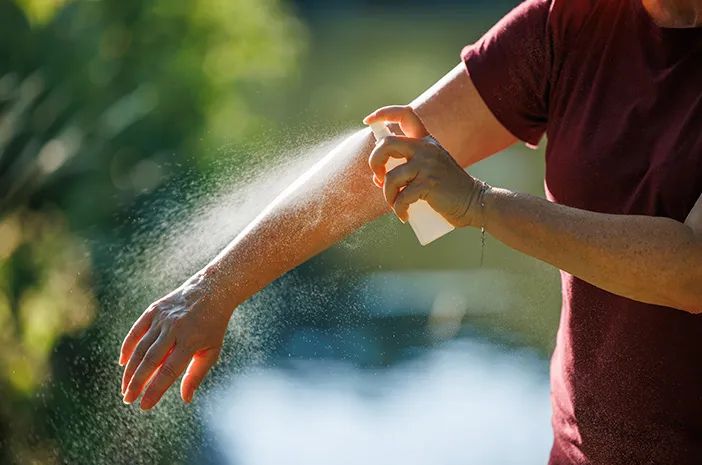
TABLE OF CONTENTS
Whether you’re trekking through tropical rainforests, relaxing on a beach, or exploring cultural sites in Southeast Asia, mosquitoes are more than just a nuisance; they can carry dangerous diseases.
Preventing mosquito bites while travelling is not only about comfort, it’s also crucial for your health.
Diseases like dengue fever, malaria, Zika virus, and chikungunya are spread by mosquito bites and are common in many travel destinations. Fortunately, there are simple and effective ways to stay bite-free.
Here’s 9 Easy Tips to Prevent Mosquito Bites
Here are the easy, practical tips to prevent mosquito bites when travelling.
1. Wear the Right Clothing
Mosquitoes are attracted to exposed skin. The more you cover up, the better your protection.
- Wear long-sleeved shirts and long pants, especially in the early morning and evening when mosquitoes are most active.
- Choose light-colored clothing, dark colors attract mosquitoes.
- Consider wearing loose-fitting clothes so mosquitoes can’t bite through the fabric.
Tip: Some outdoor clothing is treated with insect-repellent materials for extra protection.
2. Use a Quality Insect Repellent
A reliable insect repellent is your first line of defense. Apply it to all exposed skin, and reapply as directed on the label.
Look for repellents that contain:
- DEET (20–50% for long-lasting protection)
- Picaridin (20% or higher)
- Oil of lemon eucalyptus (natural option with proven effectiveness)
Reminder: If you’re also using sunscreen, apply the sunscreen first, then the repellent.
3. Sleep Under a Mosquito Net
If you’re staying in areas with high mosquito populations or poor accommodation, always sleep under a mosquito net, especially at night.
- Use a permethrin-treated net for extra protection.
- Make sure the net is tucked securely under your mattress or mat.
- Check for holes or tears before use.
4. Stay in Screened or Air-Conditioned Rooms
Mosquitoes can easily enter rooms without screens. Book accommodation that offers:
- Window and door screens
- Air conditioning (mosquitoes avoid cool, dry environments)
- Mosquito coils or electric diffusers for added protection indoors
5. Avoid Standing Water
Mosquitoes breed in stagnant water, so be mindful of your surroundings.
- Empty or avoid containers with standing water (buckets, plant pots, etc.)
- Steer clear of ponds, puddles, and marshy areas, especially around dawn and dusk.
- Don’t camp or stay near slow-moving water bodies.
6. Be Extra Cautious at Peak Hours
Mosquitoes that transmit diseases like dengue and Zika are active during the day, while malaria-carrying mosquitoes are more active at night.
- Use repellent all day, not just in the evening.
- Stay indoors or in protected areas during dawn and dusk, when biting activity increases.
7. Use Permethrin on Clothes and Gear
Permethrin is an insecticide that can be used to treat clothing, shoes, backpacks, and tents. It repels and kills mosquitoes on contact.
- You can buy pre-treated clothing or apply it yourself with a spray.
- It remains effective even after several washes.
8. Consider Preventive Medication (for Malaria Areas)
If you’re visiting a region with a high malaria risk, consult a travel doctor before your trip.
- Take anti-malarial medication as prescribed.
- Continue the medication after returning, as instructed.
9. Choose Mosquito-Repellent Accessories
There are many travel accessories available that help repel mosquitoes:
- Mosquito-repellent bracelets
- Clip-on diffusers or patches
- Essential oil-based roll-ons (e.g., citronella, lavender)
While these are not as effective as DEET or picaridin, they can offer additional protection when used alongside other methods.
Final Thoughts
Mosquitoes can be more than just annoying, they can pose serious health risks when you travel. But with the right precautions, it’s easy to stay safe and bite-free.
If you experience unusual symptoms such as fever, rash, or body aches after a mosquito bite, seek medical attention right away.
Contact our English-speaking doctor directly from your smartphone using the Halodoc app at any time. Doctors are available 24 hours to answer your questions.
You can also purchase 100% original and trusted health products from the Halodoc Health Store. No need to leave home, delivery in just 1 hour!
So, what are you waiting for? Download the Halodoc app on Play Store or App Store today!
References:
CDC. Accessed in 2025. Preventing Mosquito Bites While Traveling.
GOV.UK. Accessed in 2025. Mosquito bite avoidance: advice for travellers.
HealthyWA. Accessed in 2025. Prevent mosquito bites on holiday overseas.
Berlangganan Artikel Halodoc
Topik Terkini