TABLE OF CONTENTS
- What Is Dengue Fever?
- Phases of Dengue Fever
- Symptoms of Dengue Fever
- Causes of Dengue Fever
- Risk Factors
- Dengue Fever Studies
- Diagnosis of Dengue Fever
- Is Dengue Fever Contagious?
- Dengue Fever Complications
- Treatment of Dengue Fever
- Recommended Medications
- Prevention of Dengue Fever
- Dengue Vaccination at Home Now Available via Halodoc
- FAQs
What Is Dengue Fever?
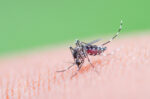
Dengue fever is an infection caused by the dengue virus, transmitted by bites from Aedes aegypti or Aedes albopictus mosquitoes. It is prevalent in tropical and subtropical regions worldwide.
Millions of cases are reported annually, especially in Southeast Asia, the Western Pacific, Latin America, and Africa. In recent years, dengue has also appeared in new regions, including parts of Europe and southern USA.
Best prevention: avoid mosquito bites using nets, eliminate breeding sites, and manage vector control by cleaning and covering standing water containers.
Phases of Dengue Fever
Dengue is not directly contagious between humans; infection occurs only through bites from infected Aedes mosquitoes. It has three clinical phases:
1. Febrile Phase (2–7 days)
- High sudden fever (39–40 °C), persistent
- Severe headache, pain behind the eyes, muscle and joint pain (“breakbone fever”)
- Skin rash or petechiae (tiny red spots from bleeding under the skin)
- Nausea, vomiting, and abdominal pain
Risks: dehydration, difficulty differentiating from other viral infections
Management: stay well-hydrated; avoid aspirin and ibuprofen to reduce bleeding risk
2. Critical Phase (24–48 hours, typically days 3–7)
- Fever subsides, but plasma leakage may occur
- Hypotension due to fluid loss
- Risk of bleeding (nose, gums, internal organs)
- Warning signs: severe abdominal pain, persistent vomiting, breathing difficulty, altered consciousness
Risks: dengue shock syndrome (DSS), possible death if untreated Management: requires intensive medical care and monitoring
3. Recovery Phase (2–5 days after critical phase)
- Temperature returns to normal
- Fluid re-enters bloodstream
- Appetite and energy improve
Risks: fluid overload causing edema or respiratory issues
Management: nutritious diet, rest, and medical monitoring until full recovery
Symptoms of Dengue Fever
Symptoms typically emerge 4–10 days after a mosquito bite and can include:
- Sudden high fever (≥ 38 °C), often with chills, lasting 2–7 days
- Severe muscle and joint pain (“bone-breaking fever”)
- Skin rash appearing after a few days of fever
- Nausea and vomiting leading to dehydration
- Other signs: headache, pain behind the eyes, swollen lymph nodes, abdominal pain, blood pressure changes, decreased platelet count
In children, symptoms may escalate quickly to include severe abdominal pain, persistent vomiting, and extreme fatigue.
Warning Signs of Severe Dengue
(Usually 1–2 days after fever drops):
- Intense abdominal pain
- Repeated vomiting
- Bleeding from gums or nose
- Blood in urine, stool, or vomit
- Skin bruises
- Rapid or difficult breathing
- Fatigue, irritability, or restlessness
These are medical emergencies, consult an internal medicine specialist via Halodoc immediately.
Risk Factors
Dengue is caused by one of four serotypes of the dengue virus, transmitted exclusively via mosquito bites, not person-to-person contact. Infection with one serotype grants long-term immunity to that serotype but not the others; repeat infections raise the risk of severe dengue.
You’re at higher risk if you:
- Live in or travel to tropical/subtropical areas (e.g., Southeast Asia, Latin America, Africa, Pacific regions)
- Have had a previous dengue infection
Dengue Fever Studies
In Jakarta, dengue incidence correlates with climate and public awareness, as published in the UI Journal of Public Health. Findings include:
- Climate (rainfall, temperature, humidity) increases mosquito breeding
- Public knowledge affects prevention
- Mosquito population density drives dengue transmission
Control Aedes breeding and improve community awareness, plus adapt to climate change.
Diagnosis of Dengue Fever
Because dengue symptoms overlap with diseases like chikungunya, Zika, malaria, and typhoid, diagnosis involves:
- Medical history and travel/exposure assessment
- Blood tests:
- CBC: checks platelet count and hematocrit
- NS1 antigen: detects dengue virus early (days 1–9)
- IgM/IgG serology: identifies antibodies to confirm infection
Dengue Fever Complications
Severe dengue may cause internal bleeding, organ damage, dangerously low blood pressure, shock, and death.
Pregnant women risk transmitting dengue to the baby, which may lead to premature birth, low birth weight, or perinatal distress.
Treatment of Dengue Fever
There’s no specific antiviral for dengue. Management includes:
- Stay hydrated (fluids or IV if needed)
- Seek medical care if signs of dehydration appear (reduced urination, dry mouth, lethargy, cold extremities)
- Use acetaminophen for fever/pain, avoid aspirin, ibuprofen, and naproxen due to bleeding risk
- Hospital care for severe cases: IV fluids, blood pressure monitoring, and transfusions if necessary
Nutrition: eat soft, easily digested, nutrient-rich foods; avoid spicy, oily, or hard-to-digest foods.
Recommended Medications
Available via Halodoc Health Store:
- Fu Fang E Jiao Jiang 20 ml (12 bottles): Chinese herbal formula for circulation and relief
- Al Afiat Angkak 60 Capsules: red yeast rice to support platelet production
- Isoprinosine Syrup 60 ml: immunomodulator to support antiviral response
- Isoprinosine Tablets 500 mg (8 tablets): boosts immunity against dengue
- Paracetamol 500 mg (10 caplets): reduces fever and pain
- Kalnex 250 mg (10 capsules): tranexamic acid to control bleeding (e.g., nosebleeds)
Purchase conveniently online via Halodoc without leaving your home now!
Prevention of Dengue Fever
Prevent dengue by avoiding mosquito bites and controlling mosquito breeding:
- Cover windows/vents, especially early morning and dusk, use AC or nets
- Wear long sleeves, pants, socks, and shoes
- Use repellents containing permethrin on clothing and gear, and DEET ≥10% for skin
- Eliminate standing water, empty and cover containers weekly
- Vaccination: Dengvaxia (CYD-TDV) and Qdenga (approved for ages 9–45 with prior infection). Homecare by Halodoc brings vaccines to your home in major cities.
Dengue Vaccination at Home Now Available via Halodoc
Dengue fever is serious but preventable. Recognizing symptoms, understanding causes, and taking proactive measures like 3M Plus, using repellents, and getting vaccinated can protect you and your family, especially in endemic areas.
Early symptoms of dengue can lead to severe complications like bleeding or shock. Don’t wait, take steps to protect yourself now!
Homecare by Halodoc (available in Jabodetabek, Bandung, Semarang, Yogyakarta, Surabaya, and Denpasar) offers doctor consultation and dengue diagnostic services at your preferred location.
Halodoc Homecare offers home dengue vaccination with the following advantages:
- Administered by licensed vaccination doctors
- Strict health protocols
- BPOM‑registered vaccines from global suppliers
- Post-vaccination observation
- Prices from IDR 739,000; youl’ll get extra discounts family bookings receive
- No extra charges
- IDR 25,000 voucher to Contact Doctor after service
- Use promo code VAKSINDBD3 for IDR 150,000 off Qdenga vaccination
Book now via Halodoc app or WhatsApp 0888‑0999‑9226.
Contact our English-speaking doctor on Halodoc to get more detailed information about dengue fever.
Reach a doctor directly from your smartphone using the Halodoc app. Doctors are available 24 hours to answer your questions.
Now, you can purchase 100% original and trusted health products from the Halodoc Health Store. No need to leave home, delivery in just 1 hour!
So, what are you waiting for? Download the Halodoc app on Play Store or App Store today!
References:
WHO. Accessed in 2025. Dengue and Severe Dengue.
CDC. Accessed in 2025. Dengue.
WebMD. Accessed in 2025. Dengue Fever
Mayo Clinic. Accessed in 2025. Dengue Fever
UI Journal of Public Health. Accessed in 2025. Climate Influence on Dengue Cases
FAQs
1. What are the first symptoms of dengue?
Sudden high fever (39–40 °C) lasting 2–7 days, accompanied by throbbing headache (especially behind the eyes), muscle/joint pain, extreme fatigue, nausea, vomiting, loss of appetite, and malaise.
2. How is dengue diagnosed?
Doctors conduct a physical exam, ask about medical and travel history, and perform blood tests (NS1, IgM/IgG, CBC) to confirm infection.
3. What is the most distinctive dengue symptom?
A biphasic fever (initial fever subsides then returns) and signs of bleeding such as red skin spots, nosebleeds, gum bleeding, and blood in vomit or stool.
4. What should you avoid during dengue?
Avoid strenuous activity, aspirin, ibuprofen, and oily or acidic foods.
5. What to do during the critical phase?
Monitor vital signs and platelets, maintain hydration, and seek hospital care if shock or bleeding occurs.
6. When does recovery begin?
Recovery typically starts between days 6–10, once the critical phase has passed.
Topik Terkini
Artikel Terkait