Traveler's Diarrhea: Complete Guide and How to Cure It
Traveler’s diarrhea is a digestive tract disorder characterized by frequent, loose stools.

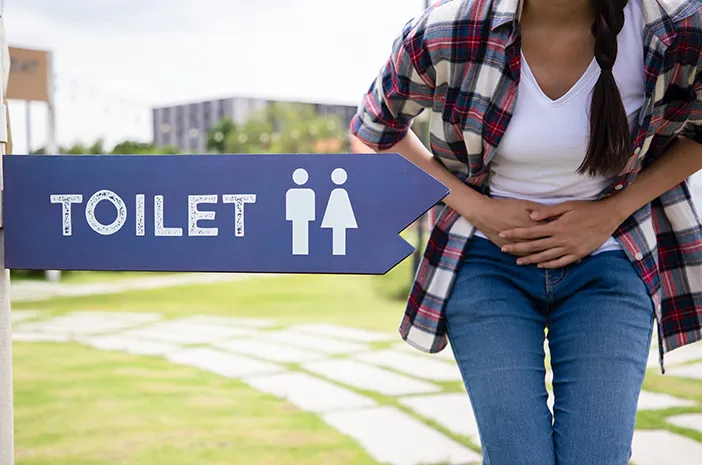
TABLE OF CONTENTS
- What Is Traveler’s Diarrhea?
- What Causes Traveler’s Diarrhea?
- Symptoms of Traveler’s Diarrhea
- How to Treat Traveler’s Diarrhea
- When to See a Doctor
- How to Prevent Traveler’s Diarrhea
Traveler’s diarrhea is one of the most common illnesses affecting people when visiting countries with different food and water safety standards.
Although usually not serious, it can be uncomfortable, disruptive to travel plans, and occasionally dangerous if not treated properly.
This article provides a comprehensive guide on what traveler’s diarrhea is, why it happens, how to treat it, and most importantly, how to prevent it.
What Is Traveler’s Diarrhea?
Traveler’s diarrhea is a digestive tract disorder characterized by frequent, loose stools.
It typically affects travelers visiting regions where hygiene standards may be lower than what they’re used to.
The condition can also be accompanied by symptoms like abdominal cramps, bloating, nausea, vomiting, and mild fever.
It usually begins abruptly and can last from a few hours to several days. While it’s usually not dangerous, it can cause dehydration, fatigue, and interfere with your travel itinerary.
What Causes Traveler’s Diarrhea?
The most common cause of traveler’s diarrhea is consuming contaminated food or water.
Pathogens like Escherichia coli (E. coli), Salmonella, Shigella, and Campylobacter are frequent culprits.
In some cases, viruses or parasites such as norovirus or Giardia may also be responsible.
Risk is highest when visiting:
- Parts of Asia (except Japan and South Korea)
- Africa
- Latin America
- The Middle East
These areas may have less stringent sanitation or limited access to clean water, making it easier to ingest harmful bacteria unintentionally.
Symptoms of Traveler’s Diarrhea
Most people experience symptoms within 6 to 72 hours of consuming contaminated food or drink.
Common symptoms include:
- Sudden onset of watery or loose stools (at least 3 times in 24 hours)
- Abdominal pain or cramps
- Nausea
- Mild fever
- Fatigue or weakness
- Vomiting (less common)
In most cases, symptoms are mild to moderate and improve without specific treatment within a few days.
However, more severe cases can lead to dehydration and require medical attention.
How to Treat Traveler’s Diarrhea
If you do develop symptoms of traveler’s diarrhea during your trip, early treatment can help you recover faster and avoid complications. You can try these steps:
1. Stay Hydrated
The primary concern is fluid loss. Drink plenty of safe, clean water, or opt for oral rehydration salts (ORS) to restore lost electrolytes.
- Avoid caffeinated or alcoholic beverages, which can worsen dehydration.
- Coconut water, clear broths, or sports drinks (with low sugar) can also help replace fluids.
2. Use Anti-Diarrheal Medications
Over-the-counter medications like loperamide (Imodium) can reduce the frequency of bowel movements.
These are useful when you need to travel or attend an activity but are not recommended if there is a high fever or bloody stools, as this may indicate a more serious infection.
3. Consider Antibiotics
For moderate to severe cases, a short course of antibiotics may be prescribed, especially if bacterial infection is suspected. Common options include:
- Azithromycin (often preferred in Asia)
- Ciprofloxacin or Levofloxacin (used in some parts of the world)
Consult a healthcare provider before traveling to see if a “standby” antibiotic is necessary based on your destination.
4. Eat Bland Foods
Stick to the BRAT diet (Bananas, Rice, Applesauce, Toast) and avoid spicy, greasy, or dairy-heavy foods while recovering.
When to See a Doctor
Seek medical help if you experience:
- Diarrhea lasting more than 3–4 days
- High fever (over 38.5°C or 101.3°F)
- Blood or pus in stools
- Signs of severe dehydration (dizziness, dark urine, dry mouth, sunken eyes)
How to Prevent Traveler’s Diarrhea
Prevention is always better than cure, especially when it comes to enjoying your trip. Here are key tips:
- Drink only bottled or purified water. Avoid tap water, including ice cubes made from it.
- Don’t brush your teeth with tap water. Use bottled water instead.
- Eat food that is thoroughly cooked and served hot. Avoid lukewarm or raw food.
- Avoid raw fruits and vegetables unless you can peel them yourself.
- Wash your hands frequently. Use hand sanitizer if soap and water are unavailable.
- Be cautious with street food. Choose vendors that cook food in front of you and have high turnover.
If the symptoms persist or you’re unsure about what to do, don’t wait until it gets worse.
Contact our English-speaking doctor directly from your smartphone using the Halodoc app at any time. Doctors are available 24 hours to answer your questions.
Now, you can purchase 100% original and trusted health products from the Halodoc Health Store. No need to leave home, delivery in just 1 hour!
So, what are you waiting for? Download the Halodoc app on Play Store or App Store today!
References:
WebMD. Accessed in 2025. Traveler’s Diarrhea: Quick Remedies.
CDC. Accessed in 2025. Traveler’s Diarrhea.
Mayo Clinic. Accessed in 2025. Traveler’s Diarrhea.
Cleveland Clinic. Accessed in 2025. Traveler’s Diarrhea.
Berlangganan Artikel Halodoc
Topik Terkini