What Is Amoebic Dysentery and How to Prevent It
Amoebic dysentery is an intestinal illness caused by a microscopic parasite called Entamoeba histolytica.

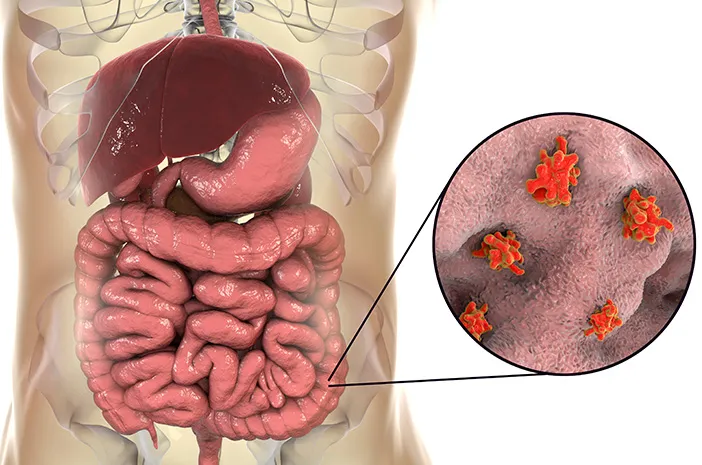
TABLE OF CONTENTS
- What Is Amoebic Dysentery?
- Causes of Amoebic Dysentery
- Symptoms of Amoebic Dysentery
- Diagnosing Amoebic Dysentery
- Treatment for Amoebic Dysentery
- How to Prevent It?
- When to See a Doctor
Amoebic dysentery is a serious intestinal infection caused by a parasite. While it is more common in areas with poor sanitation, it can affect anyone under the right circumstances.
Understanding this condition is important for both prevention and treatment, especially if you live in or travel to high-risk regions.
What Is Amoebic Dysentery?
Amoebic dysentery, also known as amebiasis, is an intestinal illness caused by a microscopic parasite called Entamoeba histolytica.
This organism invades the lining of the intestine, leading to inflammation and, in some cases, ulceration.
The condition ranges from mild to severe, and in untreated cases, it can spread beyond the intestines and become life-threatening.
Causes of Amoebic Dysentery
The infection is primarily caused by ingesting food or water contaminated with E. histolytica cysts. These cysts are resilient and can survive outside the body in fecally contaminated environments.
The main transmission route is the fecal-oral route, when someone consumes contaminated items or touches infected surfaces and then puts their hands in their mouth.
People are more at risk when:
- Traveling to or living in regions with poor sanitation.
- Consuming unclean or raw foods and water.
- Engaging in unprotected sexual contact involving oral-anal exposure.
- Living in crowded or institutional settings.
Symptoms of Amoebic Dysentery
Not everyone infected with E. histolytica shows symptoms, but when they do occur, they typically develop within a few days to weeks after exposure. Common symptoms include:
- Abdominal cramps or pain
- Persistent diarrhea, sometimes with blood or mucus
- Nausea and fatigue
- Fever
- Weight loss and dehydration in more severe cases
In rare cases, the parasite can spread to the liver or other organs, forming abscesses.
Diagnosing Amoebic Dysentery
To confirm an infection, healthcare providers typically:
- Review the patient’s symptoms and travel history.
- Request stool samples for microscopic examination or antigen testing to detect the parasite.
- In more severe or unclear cases, blood tests, colonoscopy, or imaging (like ultrasound or CT scan) may be used to detect complications such as liver abscesses.
Because the parasite isn’t always present in a single stool sample, multiple samples may be required for accurate diagnosis.
Treatment for Amoebic Dysentery
Amoebic dysentery is treated with prescription medications, usually antibiotics.
The treatment plan depends on whether the patient is symptomatic:
- Asymptomatic cases: A luminal agent (such as paromomycin) is used to eliminate cysts from the intestines.
- Symptomatic cases: A combination of medications is typically needed, starting with metronidazole or tinidazole to treat the infection, followed by a luminal agent to prevent recurrence.
For liver abscesses or other complications, additional treatment or drainage may be necessary.
How to Prevent It?
Prevention focuses largely on improving hygiene and being cautious with food and water, especially when in high-risk areas. Key steps include:
- Drink only bottled or properly boiled water. Avoid tap water, ice cubes, and drinks made with untreated water.
- Peel or cook fruits and vegetables. Avoid raw produce that cannot be peeled.
- Wash hands regularly. Use soap and clean water after using the toilet, before eating, and after changing diapers.
- Practice safe sex. Avoid sexual practices that may involve contact with fecal matter.
- Avoid street food or unregulated vendors in areas with poor sanitation.
When to See a Doctor
Seek medical attention if you experience:
- Persistent diarrhea (especially with blood or mucus)
- Abdominal pain that doesn’t go away
- Signs of dehydration (dry mouth, dizziness, reduced urination)
- Fever with gastrointestinal symptoms after traveling
Early diagnosis and treatment can prevent serious complications such as liver abscesses or systemic infection.
By staying informed and cautious, you can significantly reduce your risk of contracting amoebic dysentery, especially when traveling.
If you’re concerned about symptoms or planning to visit a region where this disease is common, don’t hesitate to consult our English-speaking doctor directly from your smartphone using the Halodoc app at any time.
Doctors are available 24 hours to answer your questions.
You can also purchase 100% original and trusted health products from the Halodoc Health Store. No need to leave home, delivery in just 1 hour!
So, what are you waiting for? Download the Halodoc app on Play Store or App Store today!
References:
C Marie. Accessed in 2025. Amoebic dysentery.
CDC. Accessed in 2025. Amebiasis.
Cleveland Clinic. Accessed in 2025. Amebiasis (Amoebic Dysentery).
Medline Plus. Accessed in 2025. Amebiasis.
Berlangganan Artikel Halodoc
Topik Terkini